Specsheet
Bed size is more than a number on paper. To quote and install the right machine, we need to check exactly what fits your floor, work process and delivery route.
By Mr Thabo Mokoena, MD, Equipment
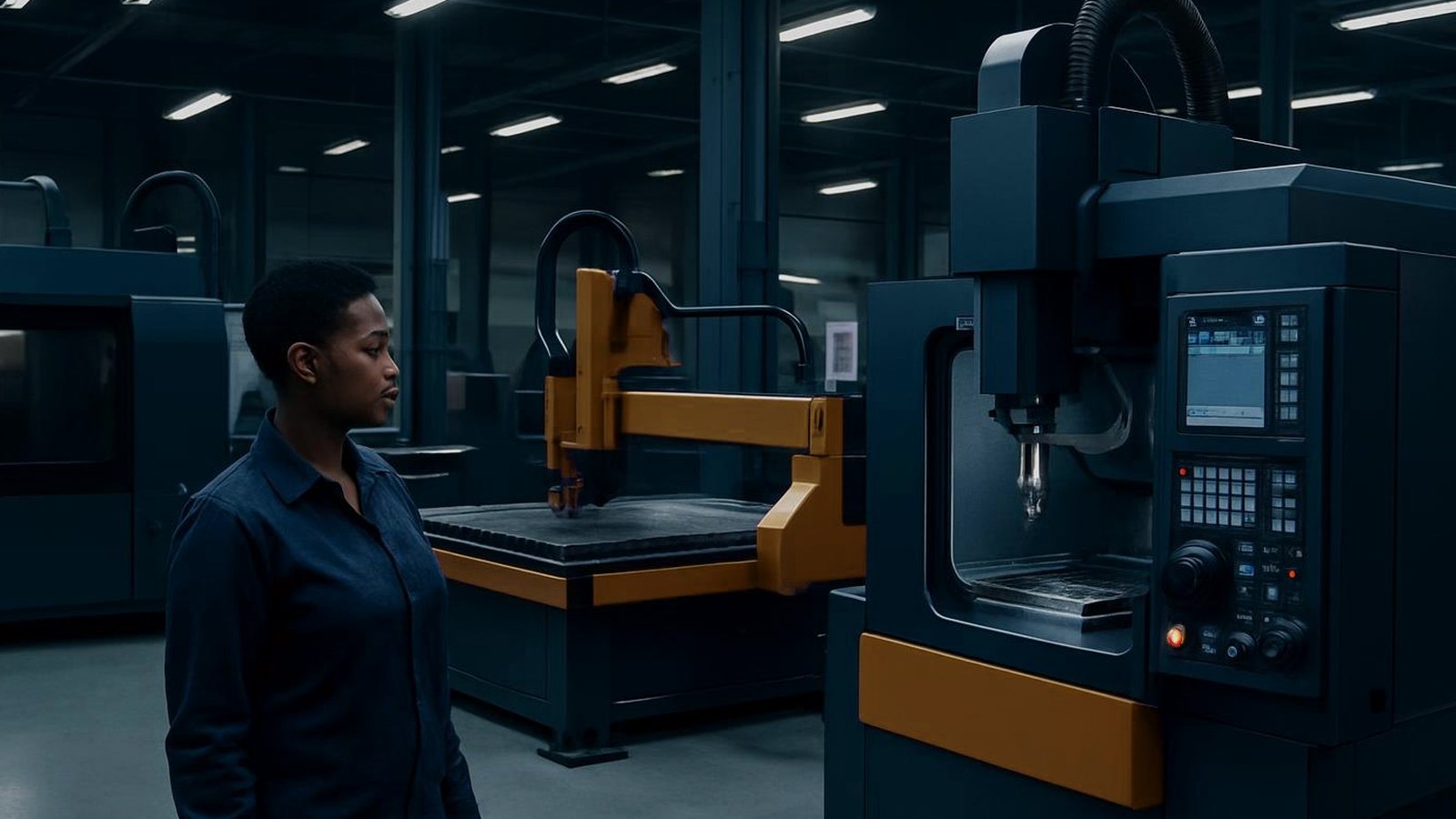
I have seen too many shops get caught out by trusting published sizes or guessing how a new machine will sit in the workshop. The real bed size of a router, plasma, or shear affects much more than the footprint. It decides the largest sheet or plate you can load, how easily operators can reach clamps and controls, and even where your material stacks and waste bins go.
If you miss a measurement or overlook a stub or guard, you could end up with bottlenecks or safety hazards. For example, the extraction stub on a router or engraver sticks out more than the marketing photos show. Allowance for opening guards, operator walkways, and space to swing or slide sheets is just as important as the nominal bed dimension.
Before we quote, here is what I recommend you check in your own space. These actions help us specify the right machine, and ensure a smooth fit on delivery and install day.
Ask us for the physical drawing, including all stubs, inlets, extraction ports, and open guard sizes. Do not rely on a single published figure.
If you have a question about clearance or delivery, send us a message from our contact form and we will check what fits before you commit. Our showroom teams can also walk your floorplan with you and spot issues you might miss.
One mistake is measuring only the nominal bed, not the full machine size including stubs or hoses. Another is not checking the route from the gate: a machine might fit the workshop but not make it through doors or around corners.
We also see problems when teams forget to include space for extraction units or operator movement. Setting up a machine too close to the wall can block access for service or create a dust build-up. Always think about the full workflow around the machine.
Continue with equipment, bays, or use our contact form.
Verified Google reviews