How our equipment families fit together
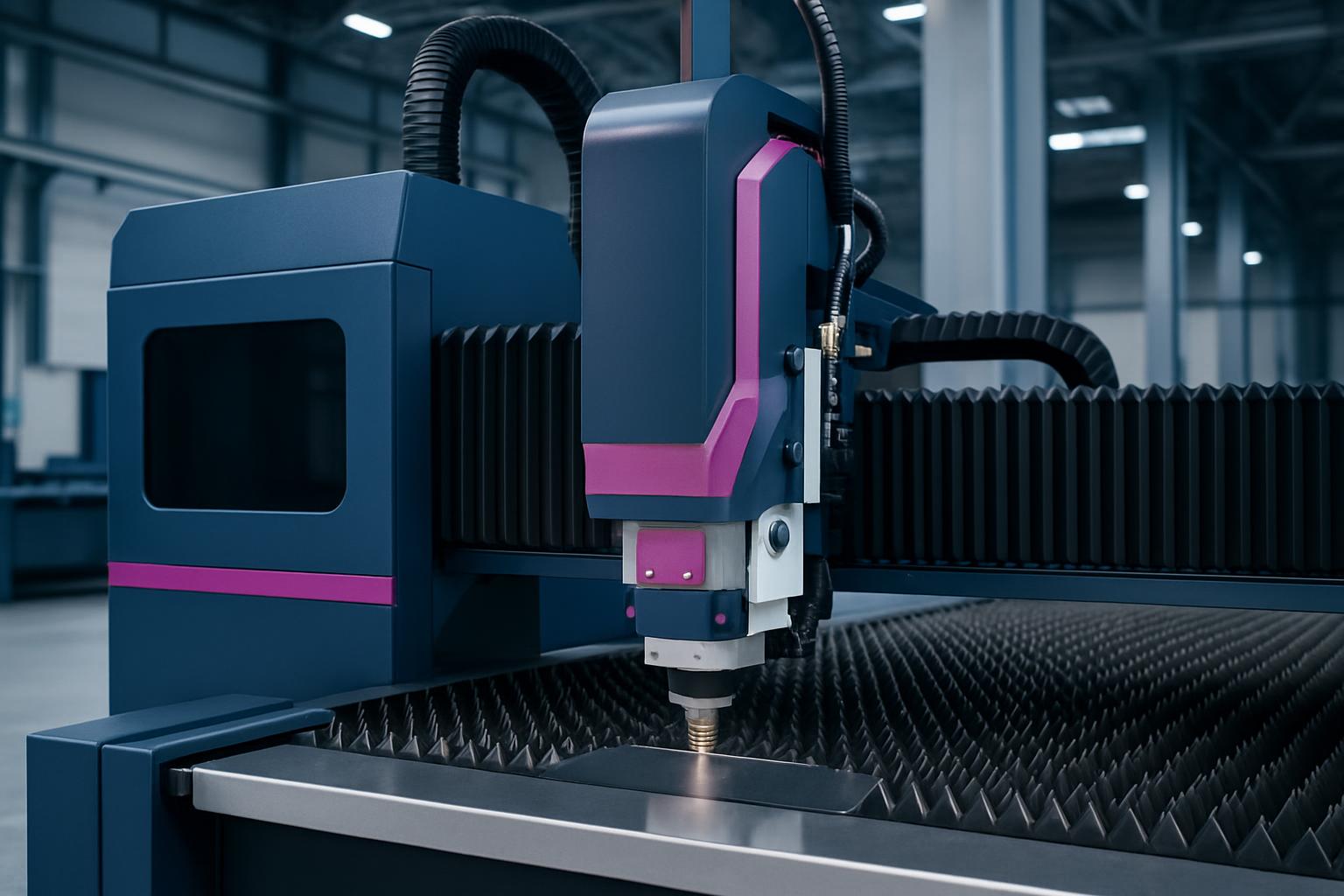
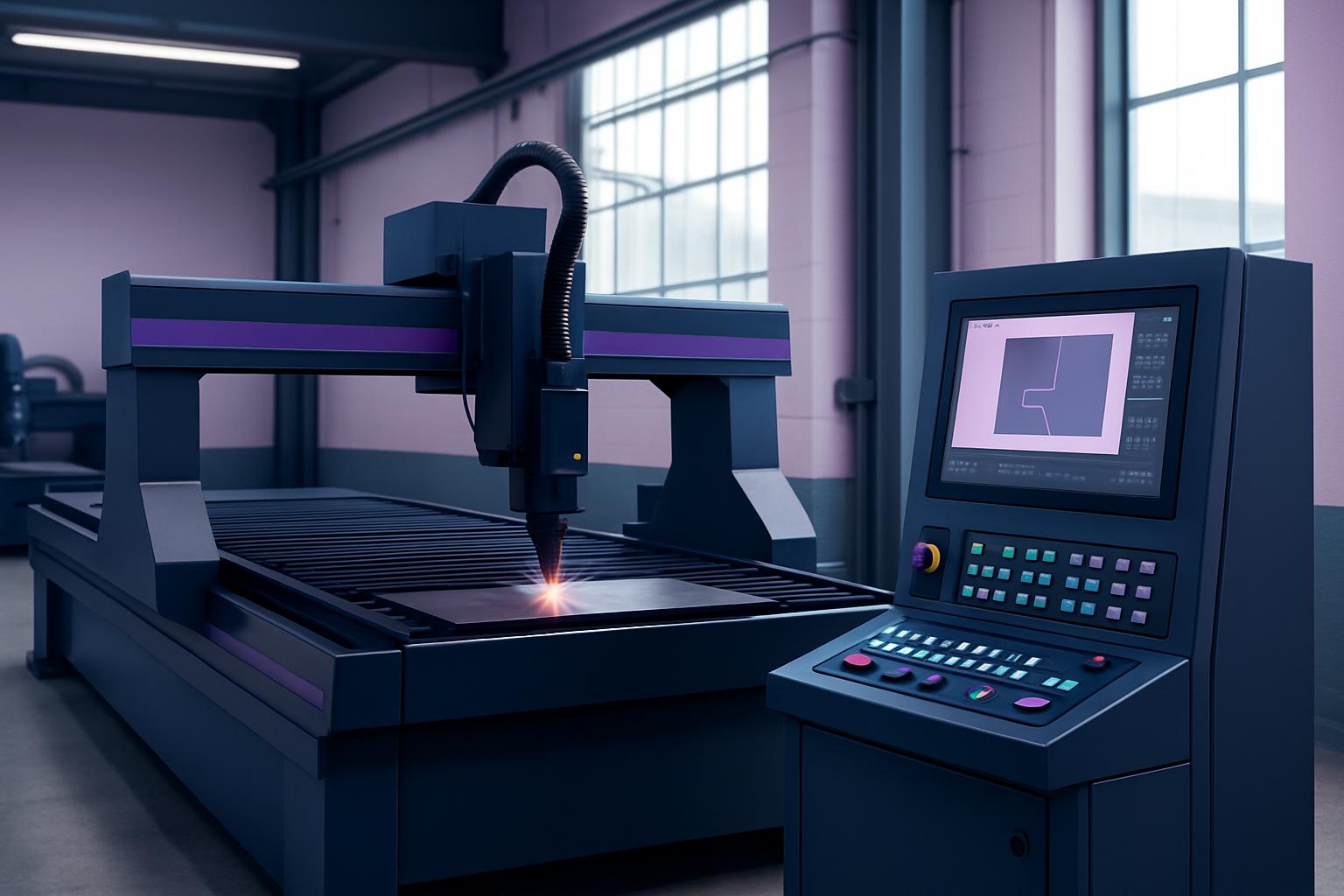
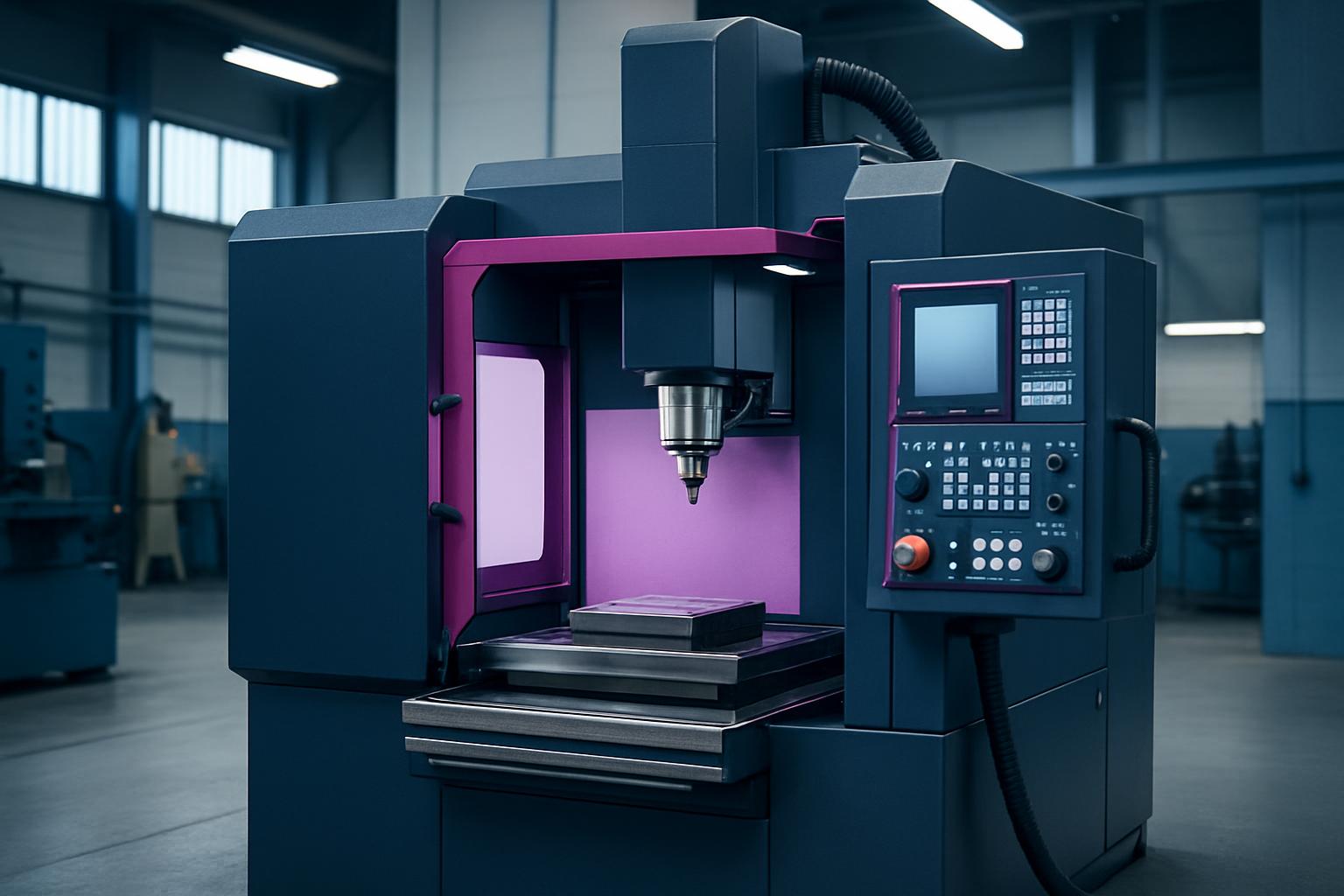
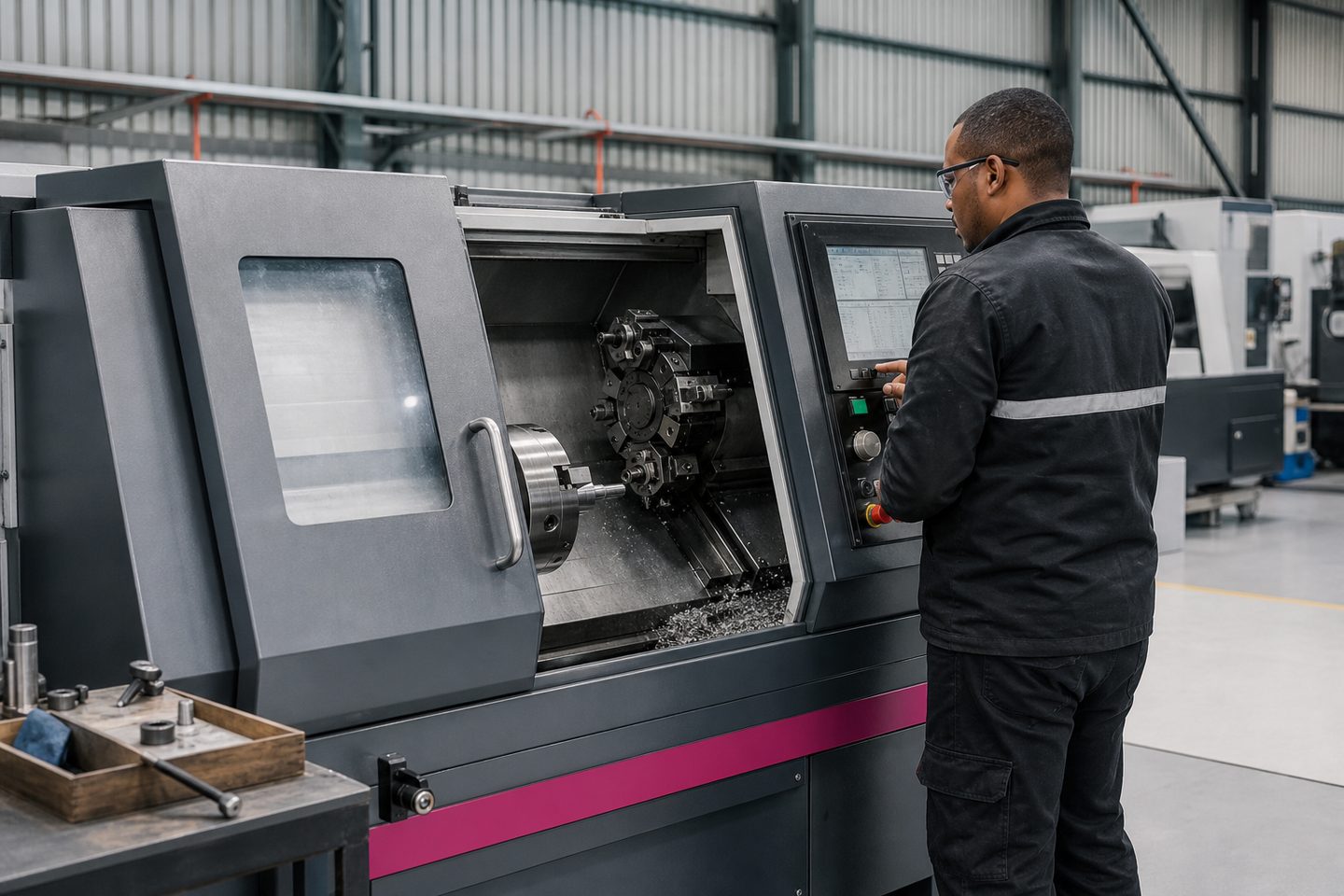
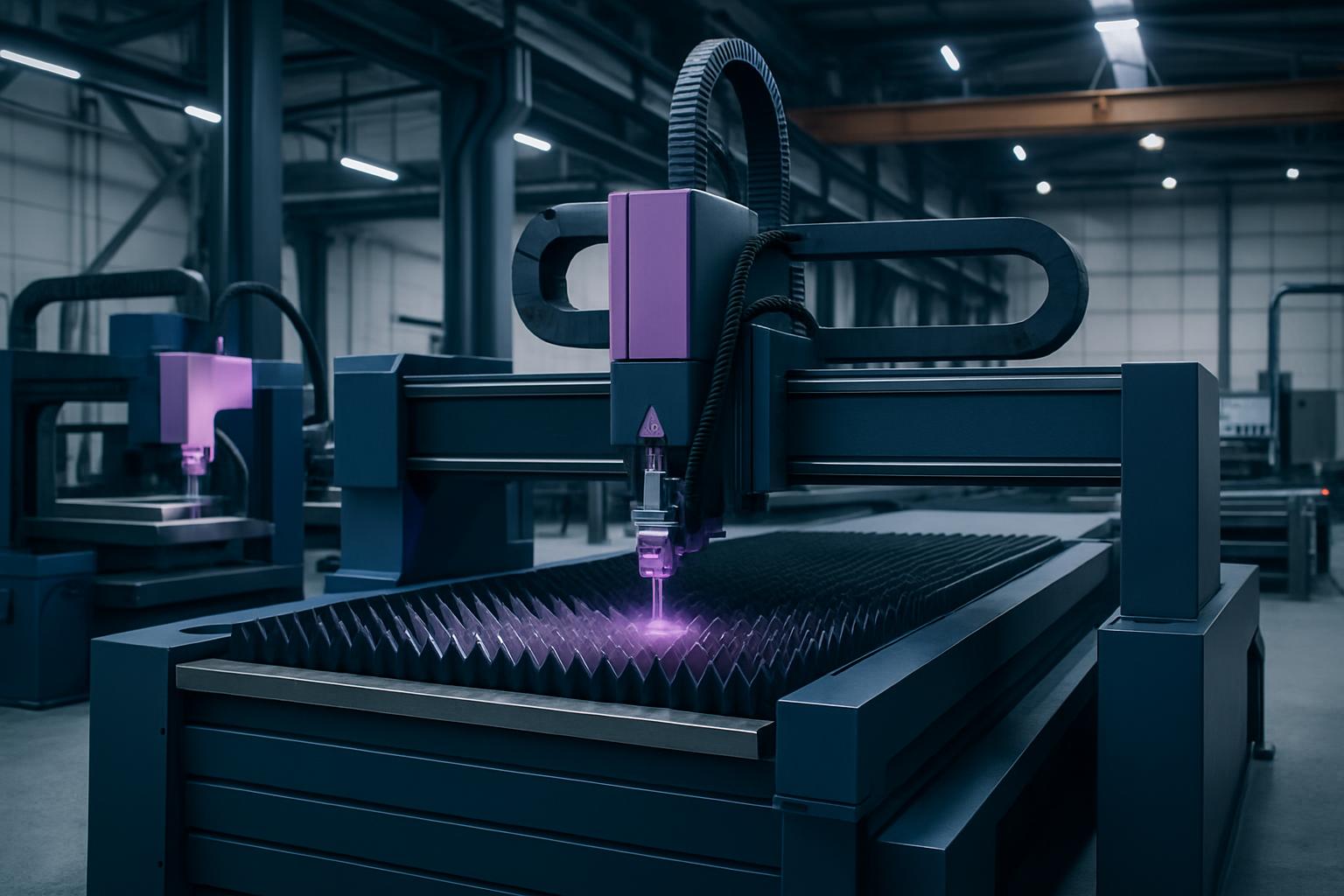
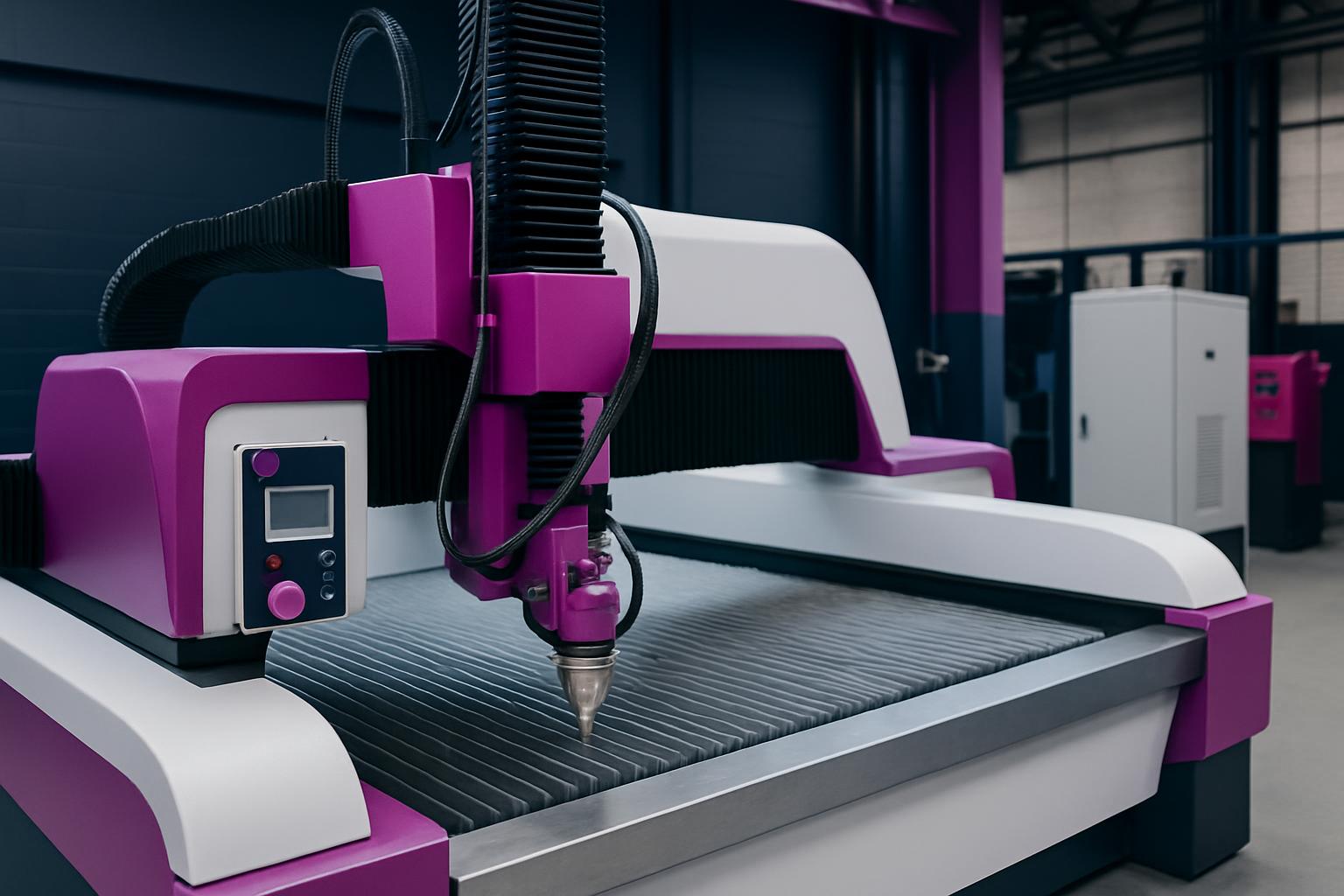
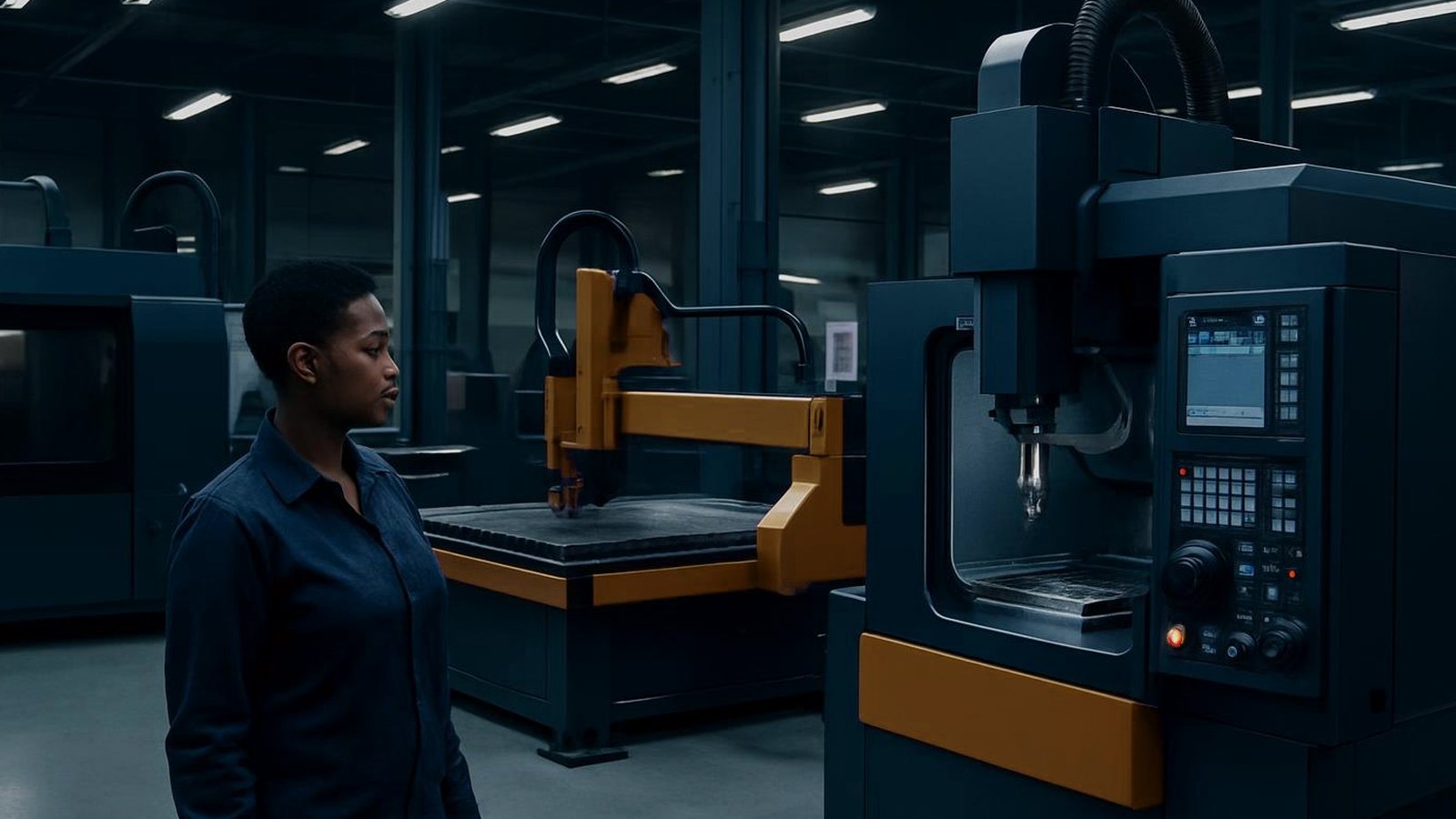
We group our machines by what they do best: cutting, marking, shaping, and supporting your workflow. Routers, plasma tables, mills, and lathes all cut or shape parts, but each suits different materials and jobs. Fibre lasers and engravers focus on marking, serialising, and fine detail. Waterjets let you cut cold through hard plate, glass, or composites when you cannot have heat or sparks.
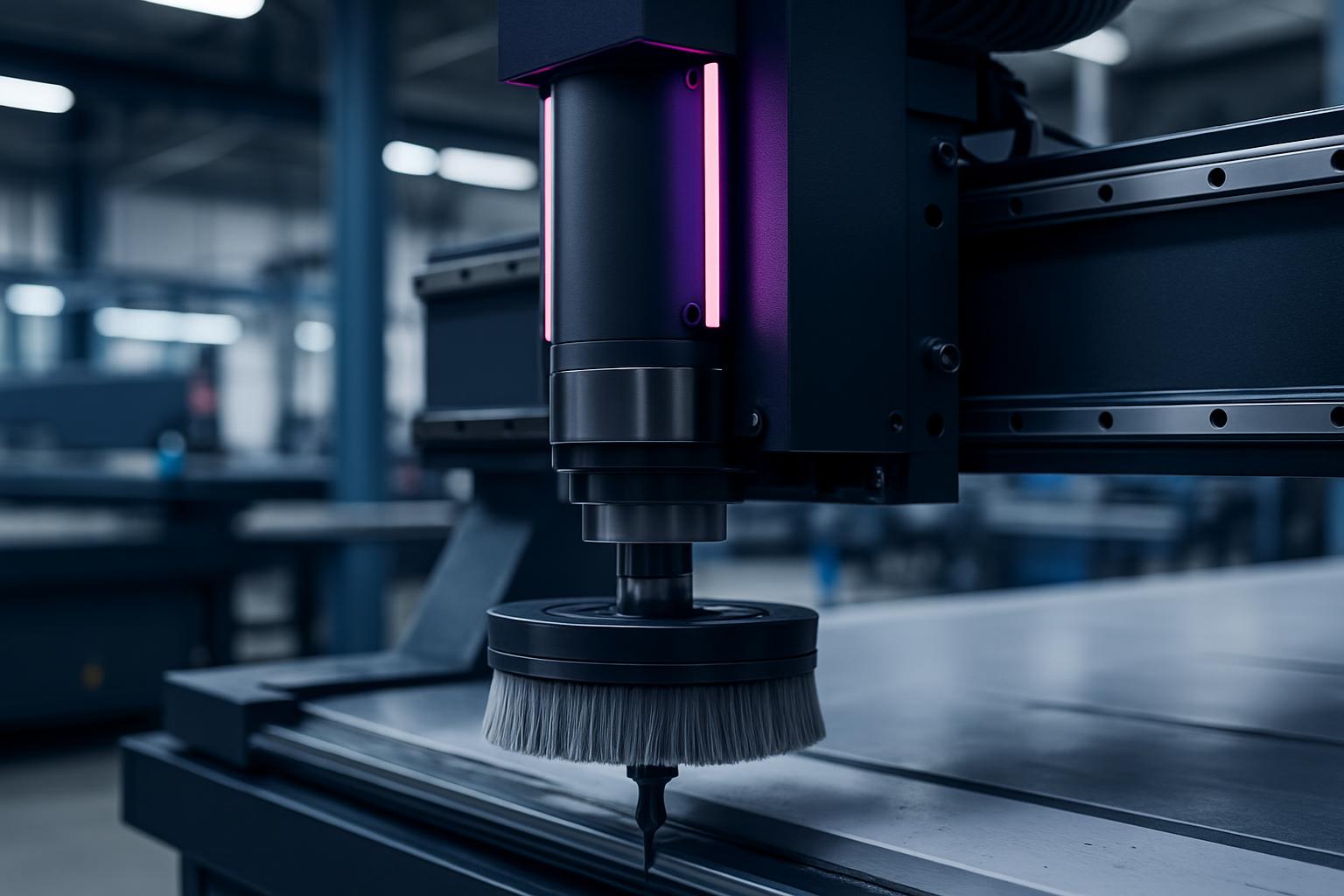
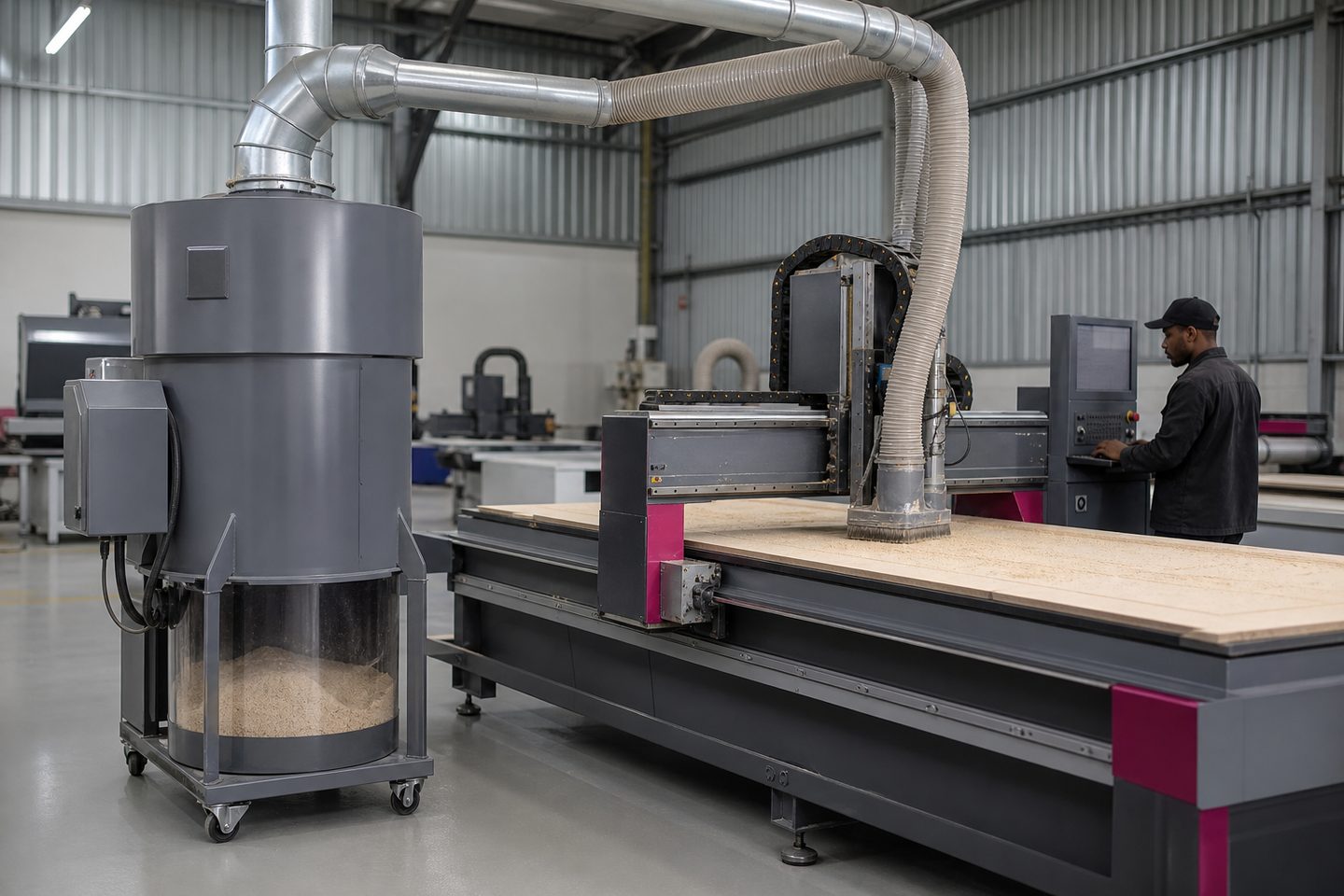
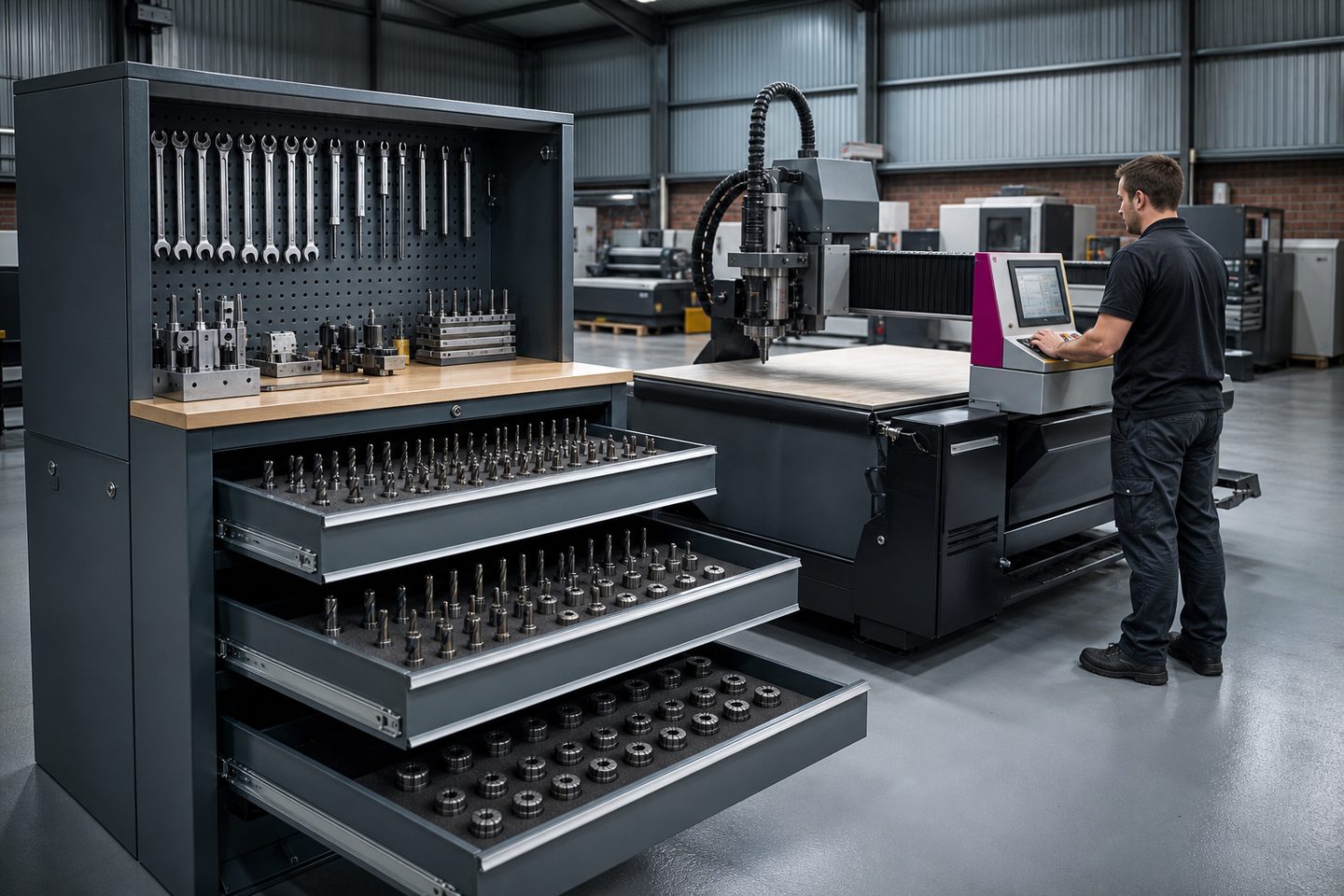
Support equipment matters as much as the cutting tool. Spindle kits keep your routers and mills running true. Dust and fume extraction protect operators and keep air clear, critical with wood dust or laser fumes. Storage and tool cribs organise your cutters, inserts and fixtures, so they’re ready when the job turns noisy or busy.
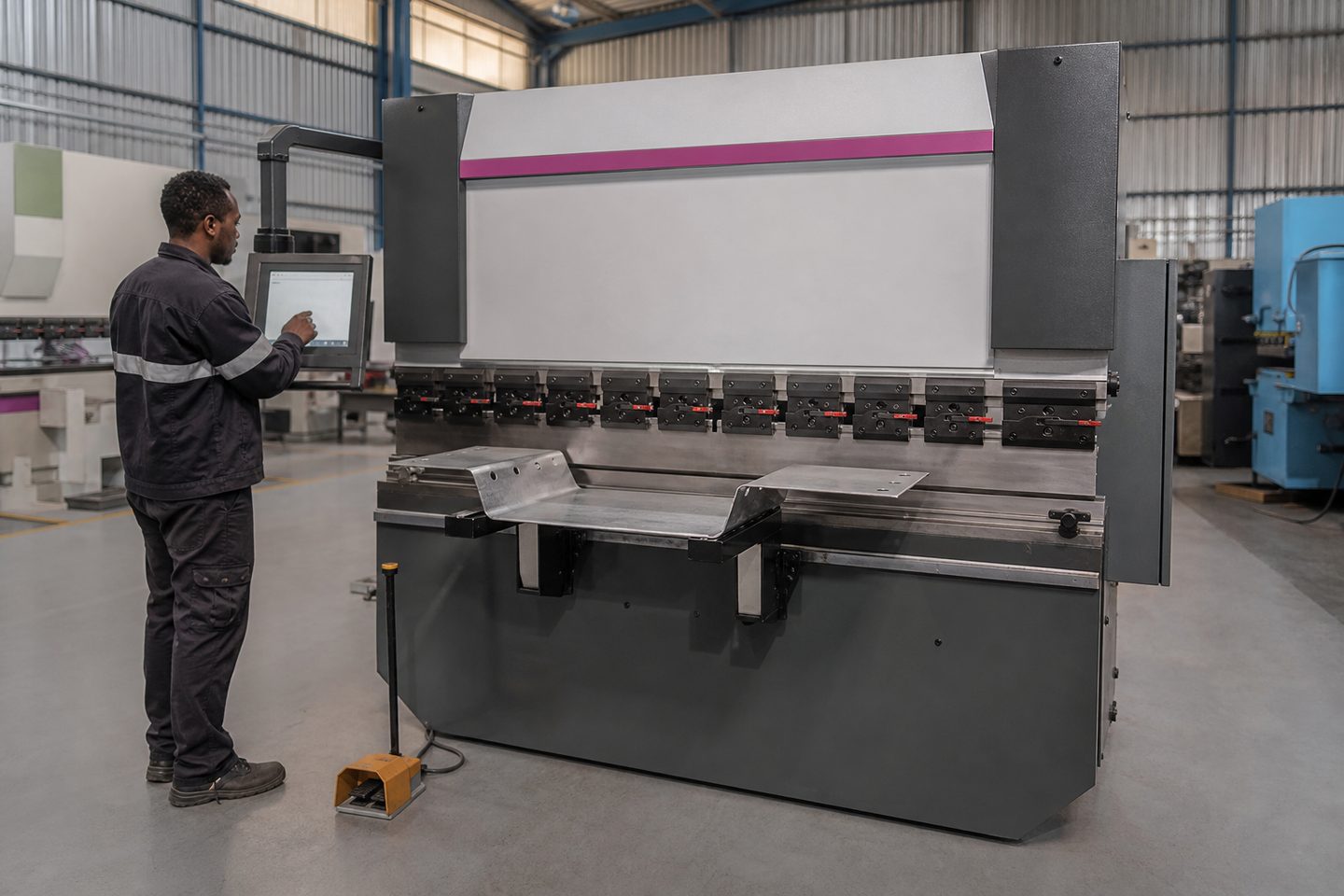
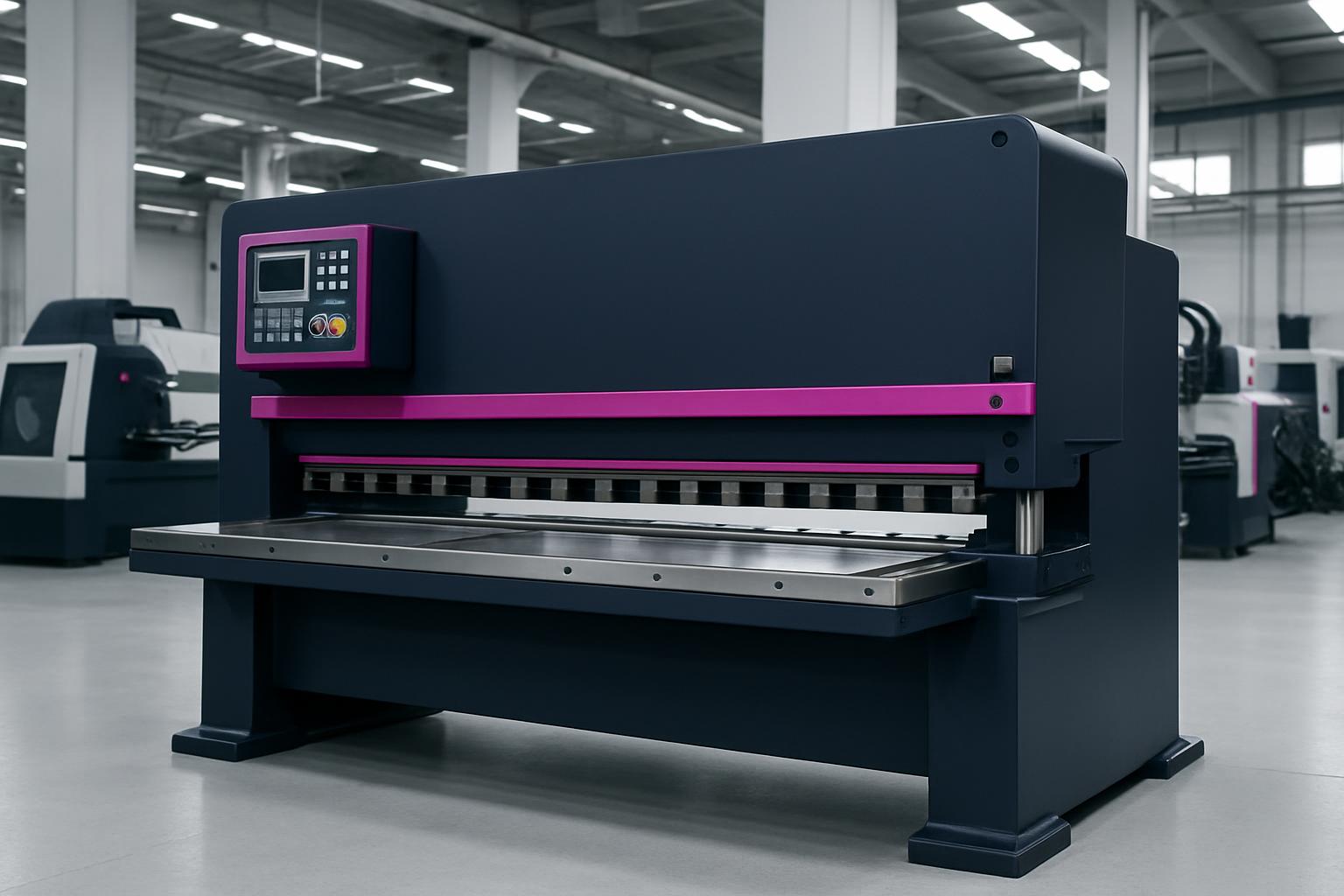
Match the equipment type to your weekly mix: signage and cabinetry reward routers, while heavy fabrication needs plasma, press brakes, and shears. Marking and branding call for fibre laser or engraver kit.
- Cutting and routing: routers, plasma, mills, lathes, waterjet
- Marking and engraving: fibre laser, engraver
- Metalwork: press brake, shear
- Support: spindles, extraction, storage
How to choose for your jobs and workshop
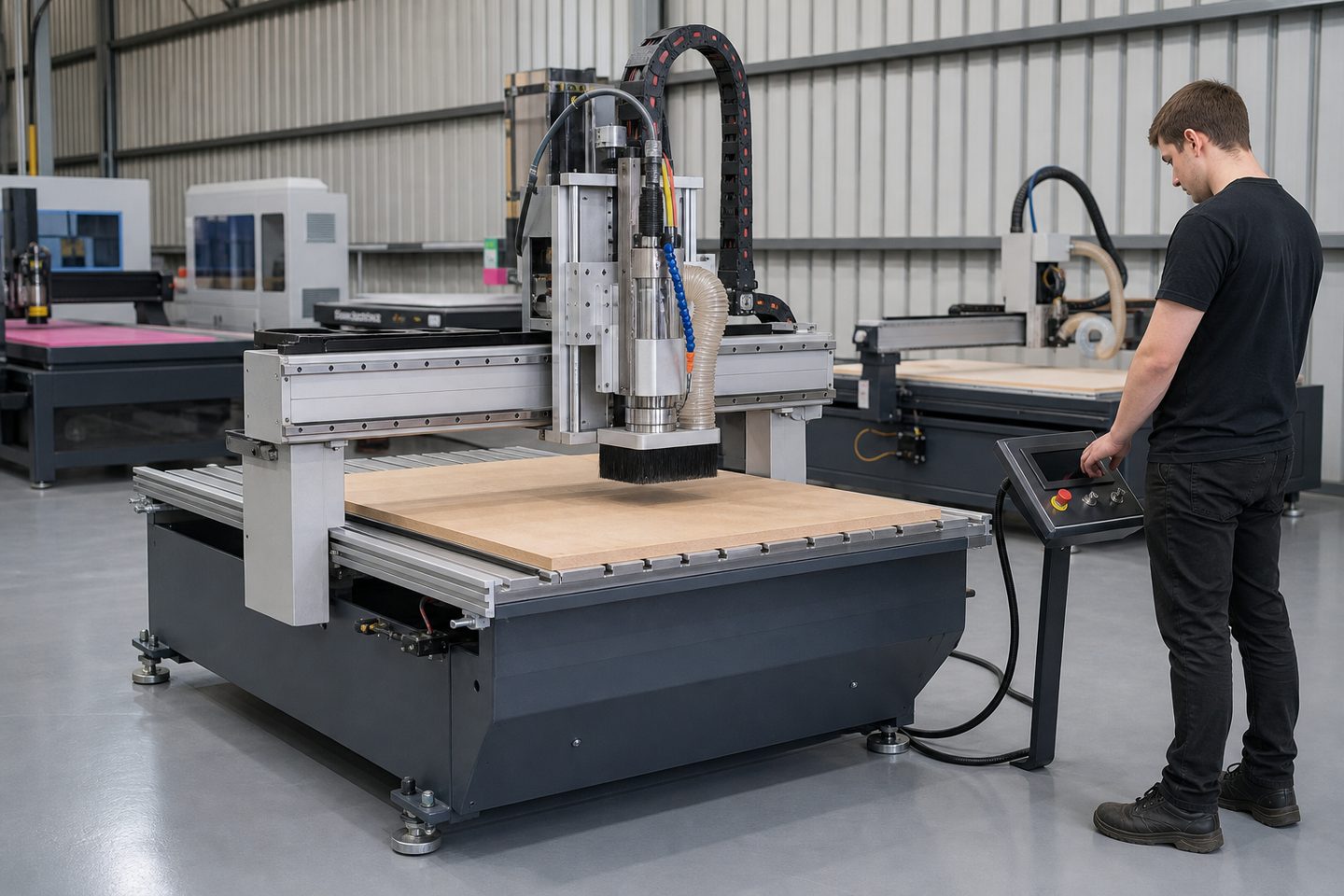
First, look at the parts you need to make, size, material, and finish all matter. The Feature Router 1212 handles board, plastic and soft wood up to 1200 x 1200 mm. For metals and harder materials, a vertical mill or compact CNC lathe suits batch work, shafts or bushes. Waterjet takes care of sample cuts in materials sensitive to heat.
Check your power supply: most workshops run 230 V single-phase, but big tables or heavier machines often need 400 V three-phase. Your floor space, fume extraction and noise levels are also key. On the Highveld, dust and static build up. At the coast, keep machines covered and oiled to fight rust from humidity and salt air.
Never ignore extraction and storage. Wood dust and metal fumes need capture at source instead of sweeping. Proper storage for cutters and inserts helps avoid downtime hunting for tools when the shop is busy.
- Match machine to part size and material
- Check supply: 230 V or 400 V, 50 Hz
- Plan for dust and fume control
- Allow space for access and storage
Common mistakes and how to compare options
Don’t pick a machine by bed size or spindle rating alone. Think through your real job mix, available power, and the operator skills you have. Underestimating fume or dust extraction is a frequent mistake, South African regulations require extraction at source and safe guarding.
Avoid skipping a site check for power cuts, especially in Gauteng or KZN. We recommend a UPS on the controller and PC, and re-homing the axes after any outage. Make sure you have enough access space for loading sheets and servicing machines.
If you want to compare machines or get tailored advice, send us a message using our contact form. We’ll talk about your parts, floor space, and what you want to achieve, and help you choose the right fit.
- Don’t choose by headline spec only
- Plan for extraction and guarding
- Check your supply and space first
- Ask for a side-by-side comparison