Specsheet
Regular lens cleaning is essential to keep your fibre laser marker at peak accuracy and avoid costly downtime from lens fog, grit or fingerprints.
By Ms Nuraan Fakier, MD, Laser
Every fibre laser marker relies on a clean optical path for precise focusing. Any dirt, mist or oil on the lens surface scatters the laser beam, reducing marking quality and risking permanent damage to expensive optics. One fingerprint or streak of Highveld dust can drop your mark clarity from crisp to blurry in seconds.
South African workshops are exposed to unique risks: Joburg's fine dust, Durban's salt air, and Gqeberha's wind all bring contaminants that settle on optical surfaces. Even with a fume extractor, the lens housing will attract airborne grime over time. If your marker runs several shifts or is shared by a team, regular lens checks are crucial: minor neglect builds up, and a dirty lens can lead to missed deadlines or expensive repairs.
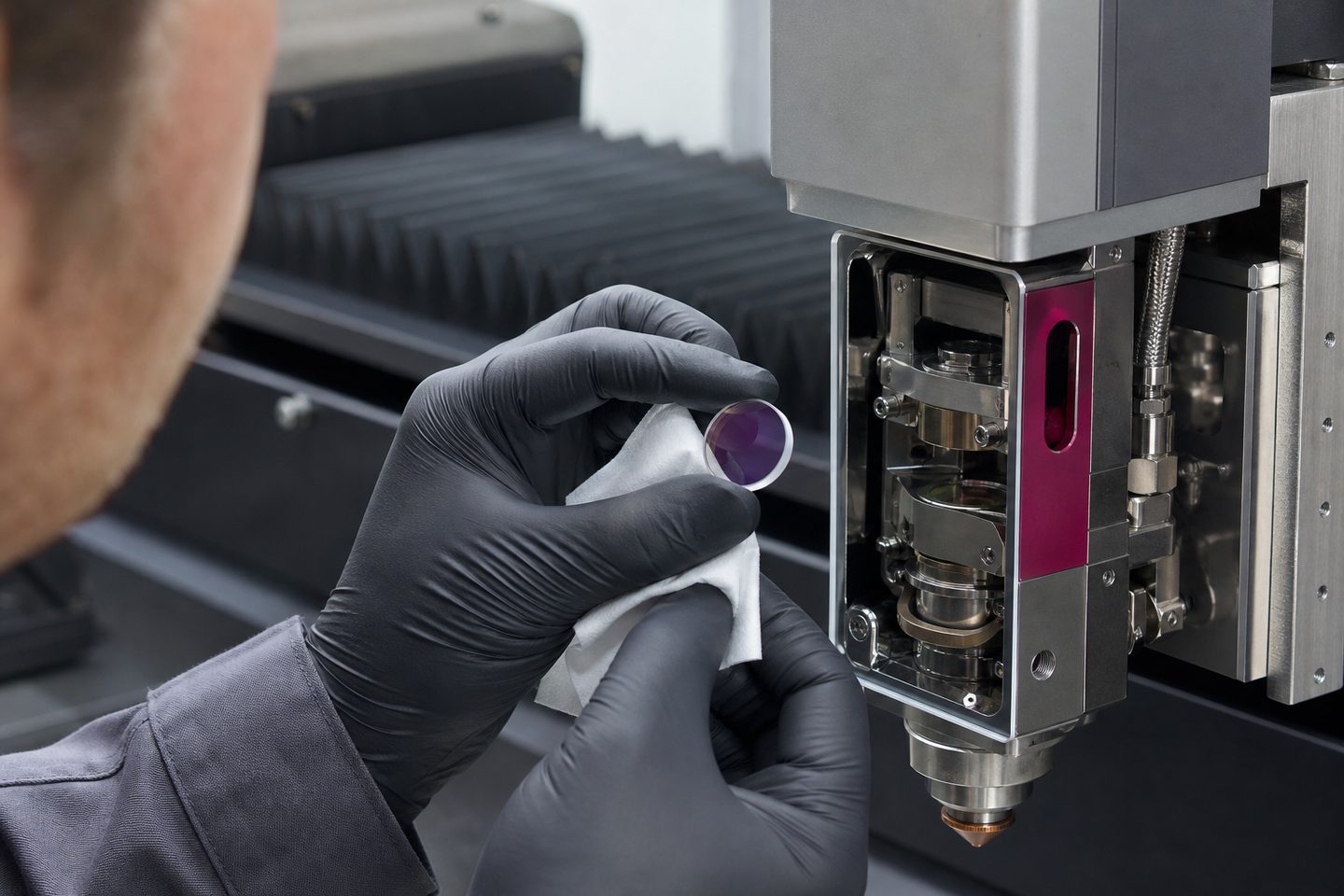
A reliable wipe schedule keeps your lens clear, your marks crisp and your warranty safe. I recommend building this into your operator routine, especially if more than one person uses the machine. Use only approved optical wipes and cleaning fluid, never standard cloths, tissues or solvents.
Here’s a basic wipe cadence for busy workshops and shared bays:
If you’re unsure about cleaning intervals or which products are safe, send us a message through our contact form. Ask for advice if you notice recurring fogging, stubborn spots or a drop in marking quality: sometimes it points to a failing extractor or a leak in the machine enclosure.
We can recommend cleaning kits, spare lens covers and fume extraction checks. If you have new staff or a change in material mix, request a refresher demo from our service team. And always check with us before using any third-party fluids or wipes, as the wrong type can void your optics warranty.
The biggest risk is rough or infrequent cleaning. We often see lens scratches from hard cloths, paper towels or overzealous rubbing. Another problem is using shop air lines to blow off dust: these often spit oil or water, which stains the optics.
Don’t wait for visible marks to degrade before checking the lens. Catching small issues early saves money and frustration. Also, never touch the lens with bare hands, skin oil is almost impossible to remove fully and will burn in under the beam.
Continue with equipment, bays, or use our contact form.
Verified Google reviews