Specsheet
Securing your part properly is the only way to get accurate, safe results on any CNC or manual machine. Speed means nothing if your workpiece moves mid-cut.
By Mr Velaphi Ramoroka, MD, Equipment
In every workshop, the most expensive scrap comes from parts that shift or lift during cutting. If the vise, clamp or fixture is not solid, you will get chatter marks, poor finishes or even tool breakage. Loose work is also a big safety hazard, if the part comes loose at speed, it could damage your machine, the tooling, or worse, injure someone.
You can have the best program, sharpest cutters and the most powerful spindle, but if your workpiece is not held firmly, you will waste time and material. At our Sunnyrock hall and at customer sites, we often see good operators tempted to push the feed rate before double-checking the vise. The result is always the same: ruined parts and lost hours.
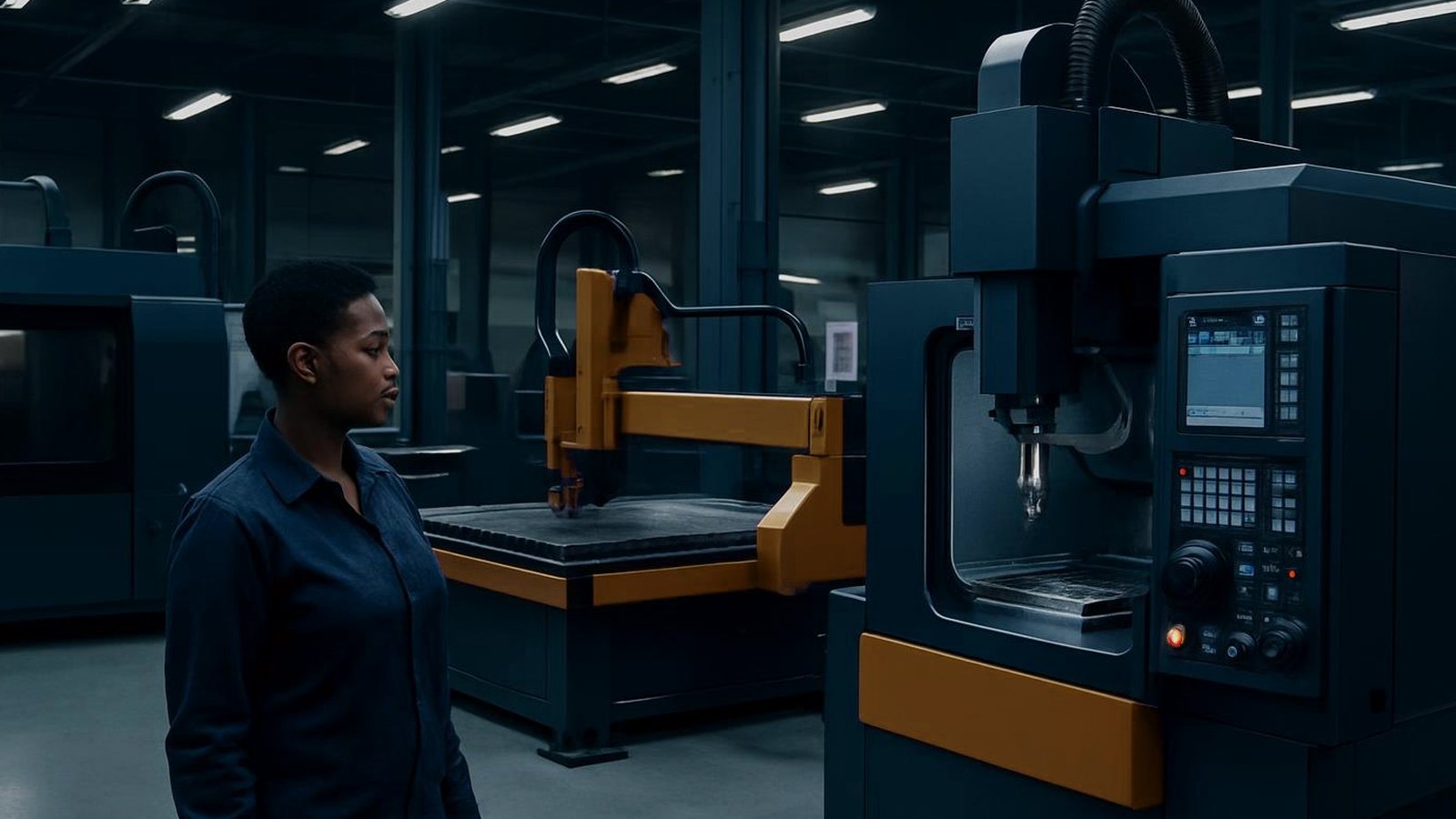
A good setup takes a few extra minutes, but it saves hours of rework and cost. Make sure your team follows these steps before pressing cycle start, whether you are running a Feature Router, Mill, or Lathe.
If you are unsure about the right vise, clamp or fixture for your job, ask us at Feature Equipment. Different materials and part shapes need different grips, our team can recommend the right accessories or even custom jaws.
For jobs with high-power cuts or thin sections, you might need additional stops, backup clamps or even a vacuum bed (on routers). We can also check your current setup for wear or alignment issues if you are getting repeat problems.
One of the top causes of poor results is rushing the setup, especially late in the day or when the team is short-handed. Another is using the wrong size vise or clamp for the workpiece, it should never hang out unsupported.
We also see operators missing steps after a power cut: always re-home the axes and double-check the setup before restarting. Regular cleaning of jaws and checking for wear saves a lot of headaches. Remember, every quality job starts with solid workholding.
Continue with equipment, bays, or use our contact form.
Verified Google reviews