Export bay
A Gauteng fabrication plant needed proof that abrasive waterjet cutting could handle varied materials for export orders, so we built and shipped a tailored sample crate for real-world testing.
A fabrication workshop near Germiston was ramping up for a contract that involved different metals, composites and tough ceramics, all destined for international clients. Their management team needed more than datasheets, they wanted to put real waterjet-cut samples in front of their export inspectors and overseas partners.
They had dealt with local power cuts and were cautious about spending on new machinery without physical proof. Getting a crate of varied test pieces, made to their actual specs, would let their quality team check edge quality, squareness and finish before signing off on a machine order.
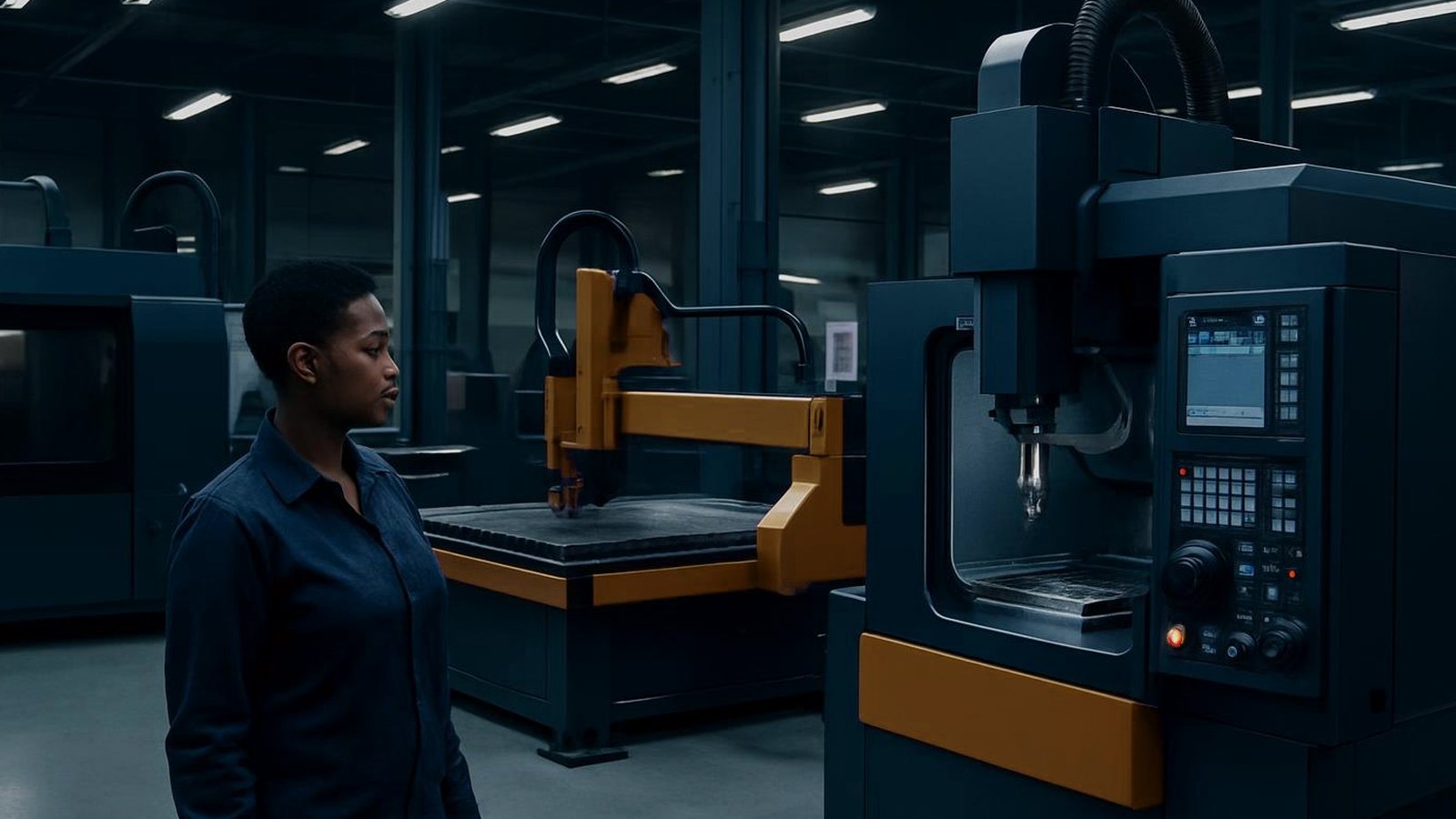
Our Feature Waterjet Bay team at Sunnyrock worked through their material list and cutting requirements, then ran sample cuts on the workshop’s preferred steel, aluminium, glass and composite sheet. We used garnet abrasive, set correct cut speeds and packed each piece with ID tags and a sample sheet explaining the settings.
Crating used only ISPM 15 heat-treated pallets and solid wood, stamped for international acceptance. Each crate was secured so nothing rubbed or cracked in transit. We arranged courier delivery door-to-door, and included a fume and dust control note since their export agent wanted clear dust-handling steps for the sample process.
Within two weeks, their team had measured, weighed and tested every cut. They found the glass edges smoother than expected, but one composite piece had a small chip from rough handling after uncrating. We now double-wrap fragile samples and label crate layers more clearly.
After seeing the actual samples, the client adjusted their process path for downstream drilling and tapping, since the waterjet left no heat-affected zone. Their electrical team also decided to fit a UPS on the controller, so a quick power cut would not risk a misaligned axis mid-sample. Its easy to forget that a controlled shutdown can save hours in setup and wasted stock.
If your clients insist on seeing real workpieces, a sample crate is the most direct way to prove what a machine can deliver under your specs. This method gives export buyers and in-house teams confidence, especially when paperwork alone is not enough.
For South African workshops, always confirm that your crating and packaging meet ISPM 15 requirements for export, and don’t leave dust and debris inside the crate. Document your process and learn from each dispatch, so your next crate goes out even smoother.
Verified Google reviews