Specsheet
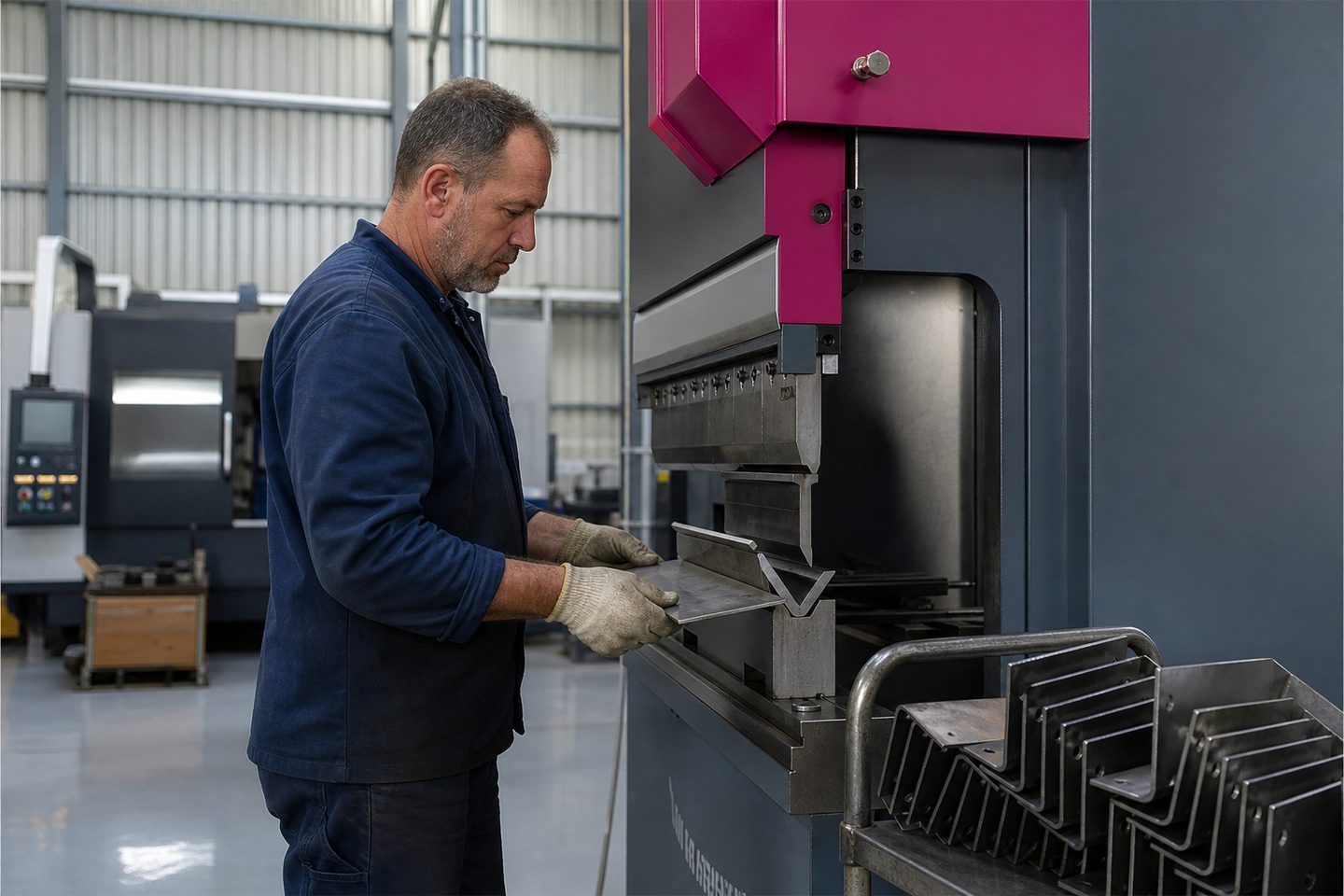
Getting the bend sequence right is the difference between a finished part and an expensive offcut. Here’s how I approach it for real press brake work.
By Mr Riaan Swanepoel, MD, Specs
The order you make your bends on the press brake directly affects whether the part comes out as planned or ends up as scrap. If the sequence is wrong, you might lock yourself out of making some bends or distort the sheet. This is a practical worry. In practice, small changes in sequence can mean you get a straight part or something that’s twisted, cracked or has a flange you can’t even reach.
Many South African shops run short runs, shiftwork or jobbing repairs with changing operators. Without a clear sequenced plan, you get wasted material, lost time, and arguments at the brake. Sequence notes, kept visible and up-to-date, let the next operator pick up the job quickly, even after a power cut or if a drawing goes missing.
I follow these steps before starting any new job, especially when it’s a one-off or prototype. The same routine helps our Feature Press Brake Mini users avoid trouble, even if you only have a paper drawing to work from.
It’s worth marking the sequence right on your print or on a work note pinned at the brake, so everyone uses the same plan. Don’t rely only on your memory, especially with tight deadlines or when the team rotates.
If your team regularly struggles with springback, tool changes or parts that won’t clear the punch, ask us for help with part layout or tool selection. We can review your job and suggest fixes, including the right backgauge stops or small v-dies for tight bends.
You can also send us a message with your drawing or a photo of your setup. If you’re new to CNC brakes, ask about basic sequence training. Our install team can walk you through a typical job so you get the feel, and we’re happy to check your first few jobs on the Feature Press Brake Mini.
The most frequent mistake is not checking if the part will fit after each bend. I’ve seen operators finish a short flange first, then struggle badly to fit the longer bend in the brake. Another easy slip is missing a tool clash, someone grabs a wide die for speed, but then cant close the bend angle. Keep your dies and punches matched to the part, and check the gap before starting.
A second mistake is skipping a test piece. It looks like a time saver, but you risk getting all the way to the last bend and finding you can’t finish. If you’re in a noisy area, remember to mark hearing protection zones, as the Driven Machinery and Noise-Induced Hearing Loss Regulations require.
Continue with equipment, bays, or use our contact form.
Verified Google reviews