Specsheet
Collet mapping is a workshop habit that stops lost tooling from holding up jobs. Here’s how to set up a collet map so your CNC bay runs smoothly.
By Mr Ashlin Gounden, MD, Service
A missing collet at the wrong time can bring your CNC work to a standstill. In South African shops, the same set of collets may be needed on routers, mills, or spindles, sometimes crossing over between shifts and teams. It only takes one misplaced 6 mm or 10 mm ER collet for the next setup to grind to a halt while everyone searches for it.
Most workshops do not have a full-time tool technician or barcode system. Someone borrows a collet, leaves it at the wrong bay, and the next operator wastes time hunting for what should be on hand. That is time you never recover, especially when the stop happens in the middle of a job or a quick changeover.
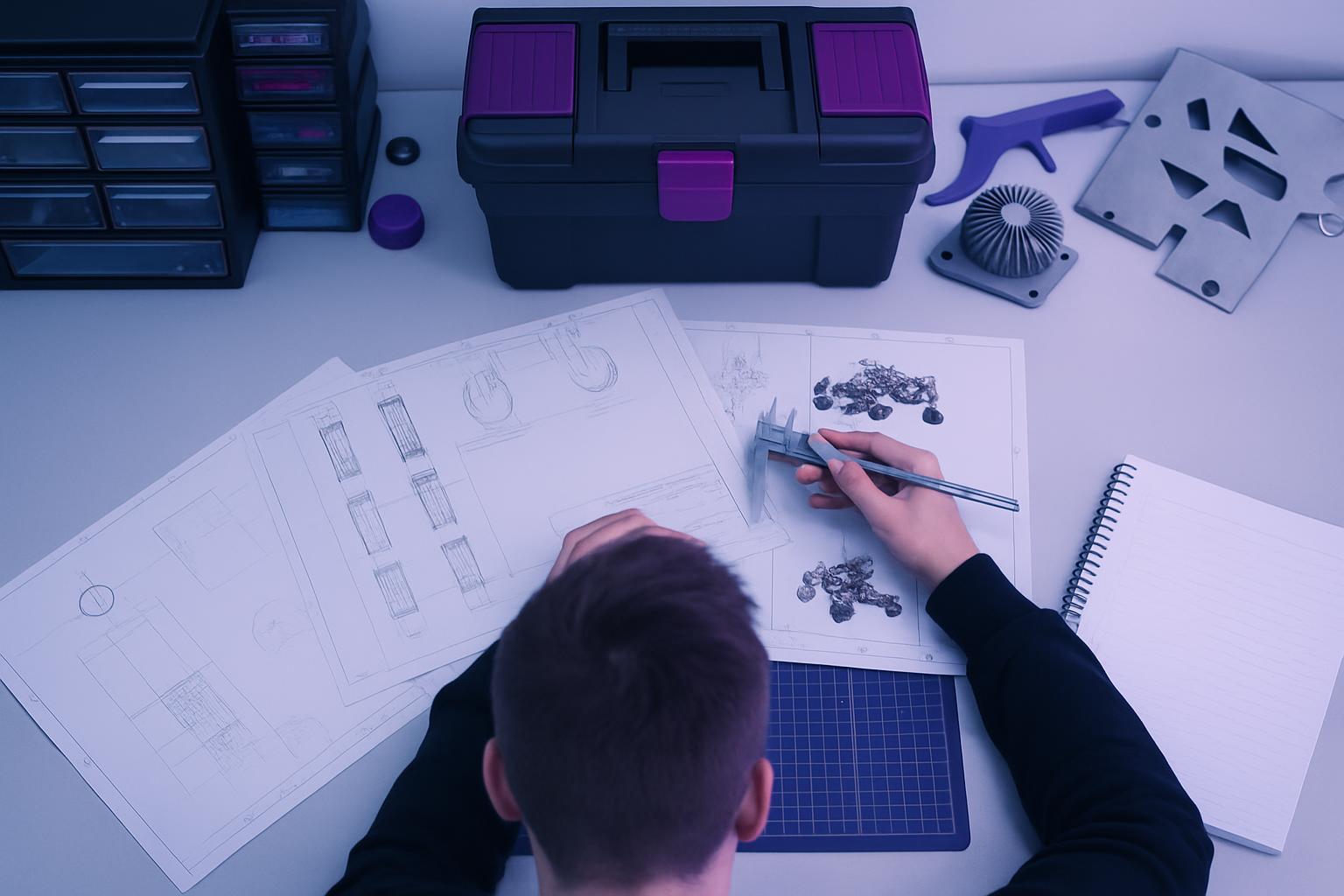
Collet mapping is about keeping a visible, up-to-date record of every ER, BT, or custom collet in your bay. This does not need a computer. A printed shadow board, laminated chart, or a marked tray works just as well for a team of 3 or 20. The main thing is that everyone knows what is where, and when a collet leaves, it is logged and returned.
A simple routine at the start and end of each shift keeps your map accurate. One person, usually the operator or foreman, takes responsibility for checking and updating the map. This works in big plants, and it works in technical schools and family shops just as well.
If you are unsure about which collet sizes fit your spindle or which ER kit matches your Feature Router or Mill, ask us. We can help you match the right collet set and advise on how to keep your map up to date.
Your service technician can show you how to check for worn or cracked collets, and we can supply labelled trays or storage solutions to match your tooling. If you are setting up a new bay, let us know and we will recommend practical ways to organise your collets and cutters together.
The most common mistake is relying on memory or a WhatsApp group to track collets. That never lasts more than a week, especially when teams or students rotate. Another pitfall is not marking your shadow board or map clearly, so nobody is sure what should be there.
We also see shops using trays without size labels, making it easy to mix up ER16 with ER20 or BT30. Do not forget to check your map after a service call or when a contractor borrows tooling. That is when most losses happen.
Continue with equipment, bays, or use our contact form.
Verified Google reviews