Bay
For South African workshops running cabinet or fitted panel production, a cabinetry nest bay gives you a repeatable path to accurate, square carcasses from every sheet.
Read the related specsheet notes and printable resources before you order.
Cabinetry production in South Africa often means back-to-back sheets, strict timelines and the need for panels that stay square from nesting right through assembly. If your shop is doing kitchen carcasses, office furniture, or custom built-ins for Joburg or Durban sites, you know cutting to size is only the start. Twisted or off-square panels show up at glue-up, costing hours in rework or cover strips.
A busy team can't afford to re-cut panels after assembly. With contract deadlines and fitters waiting on site, errors from hand layout or tired jigs will quickly snowball. Power cuts still happen in parts of Gauteng and KZN, so a routine that picks up where it left off is key. Setting up a bay for nesting helps keep your runs predictable, whether for 2, 20, or 100 cabinets.
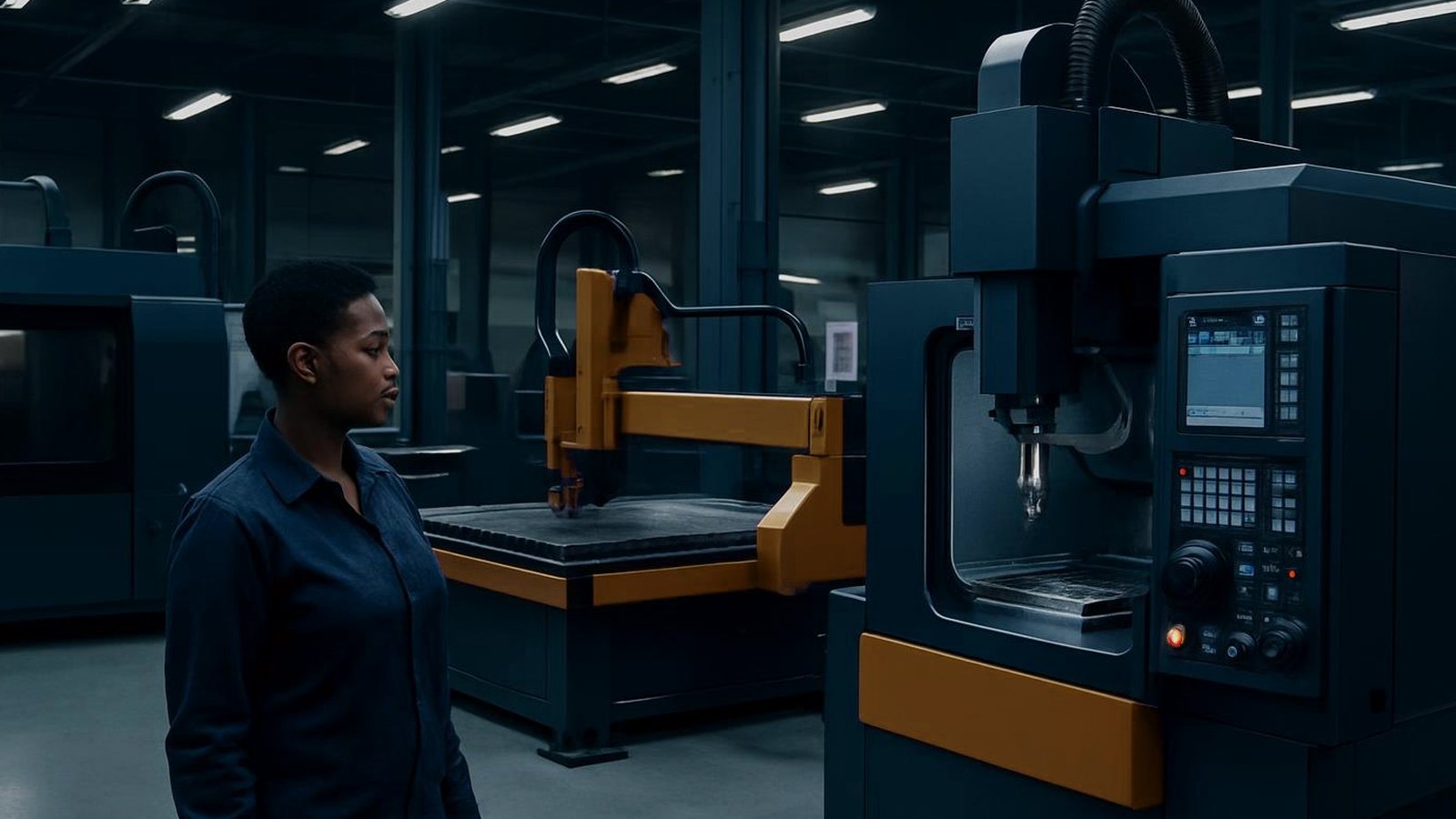
We fit out a cabinetry nest bay with the Feature Router 1212, which handles full 1200 x 1200 mm sheet panels for most South African board sizes. The USB control and pendant makes it simple to load jobs and recover after outages. For reliability, add the Feature Spindle Kit matched to your typical board materials, plus a collet set in a labelled tray to keep cutters sharp and sorted.
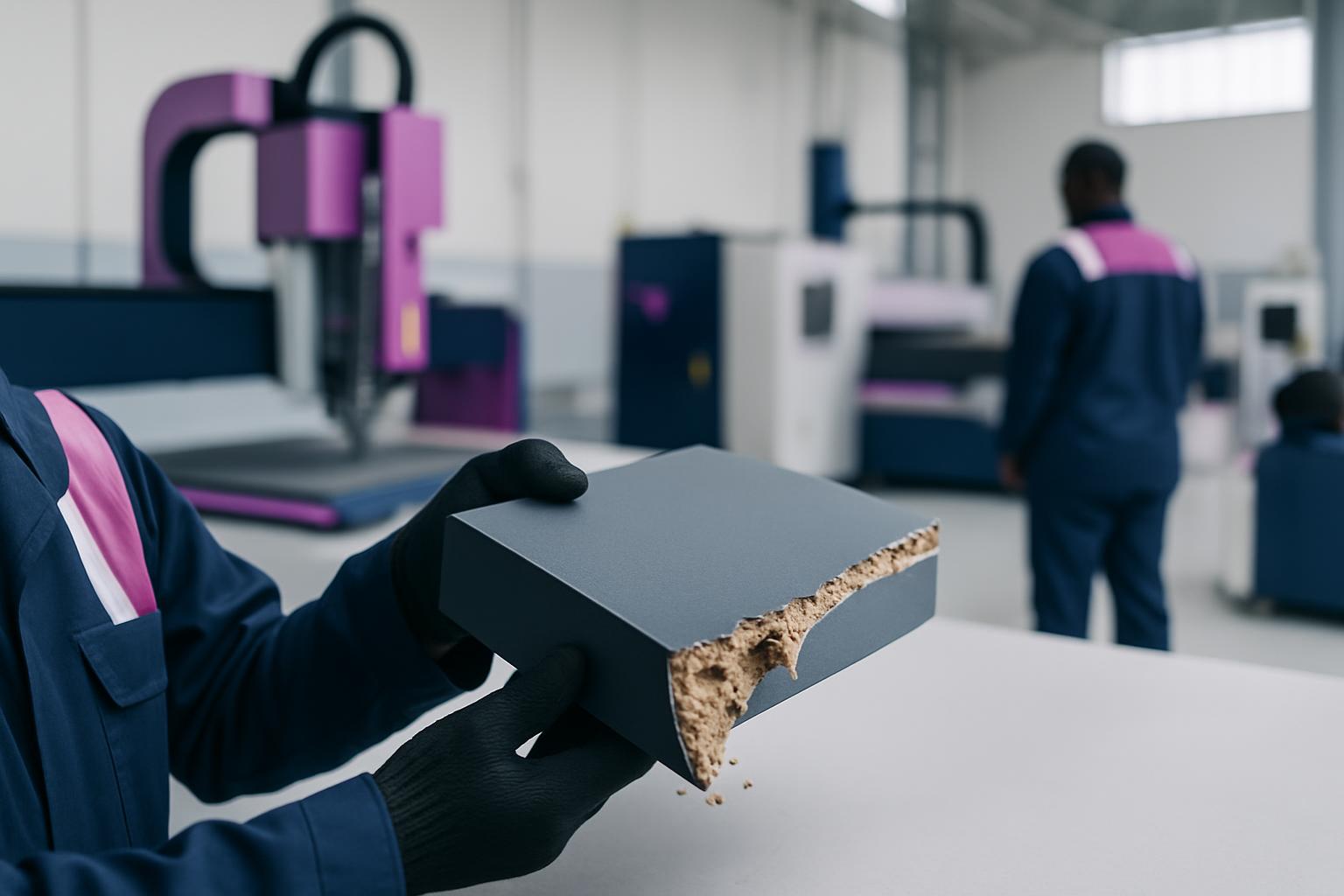
Dust is a headache in Highveld winters and even in coastal shops cutting melamine or MDF. A Feature Dust Cell is essential here, capturing fine dust straight at the source before it clogs up rails or gets into the air. For best practice, keep a vacuum table pad ready to hold down warped boards and reduce chatter. All these tools help you keep results consistent, even when the shift is short-handed.
A good nest bay is built around a routine. Each week, the bay is prepped for material delivery, spindle tooling is checked, and the dust extraction filters are swapped out if full. Boards are stacked by job, with offcuts marked up for reuse. Every day starts with a bed clean, axis home and a test cut. Operators check the vacuum pad for leaks and run a dry cycle after a power cut, then reset work zero to avoid surprises.
Dont skip the clamp and fixture check, especially if you saw the bakkie bounce over a pothole on the way back from a site. Jobs are loaded from USB, and every cut file is ticked off against the job card. If your bay has a press brake for brackets or a guillotine shear for back panels, these are run after the nesting is done so parts don't go missing.
The most frequent slip we see is skipping the vacuum test before a full sheet run, leading to panels that shift or lift mid-cut. This is especially risky with thin or warped boards in dry Highveld weather. Another one is not re-homing axes after a power cut, which throws out your job zero and can waste a whole board.
Teams sometimes forget to check dust filters, letting captured dust back into the air or onto the rails. Keep the extraction system serviced and always have a spare filter stage pack. Lastly, cutter changes in a rush can lead to the wrong bit loaded or a loose collet. Always check cutter tightness and label each tray. Training every operator to follow the sequence, including the newest hand, will save you rework and lost time.
Verified Google reviews