Bay
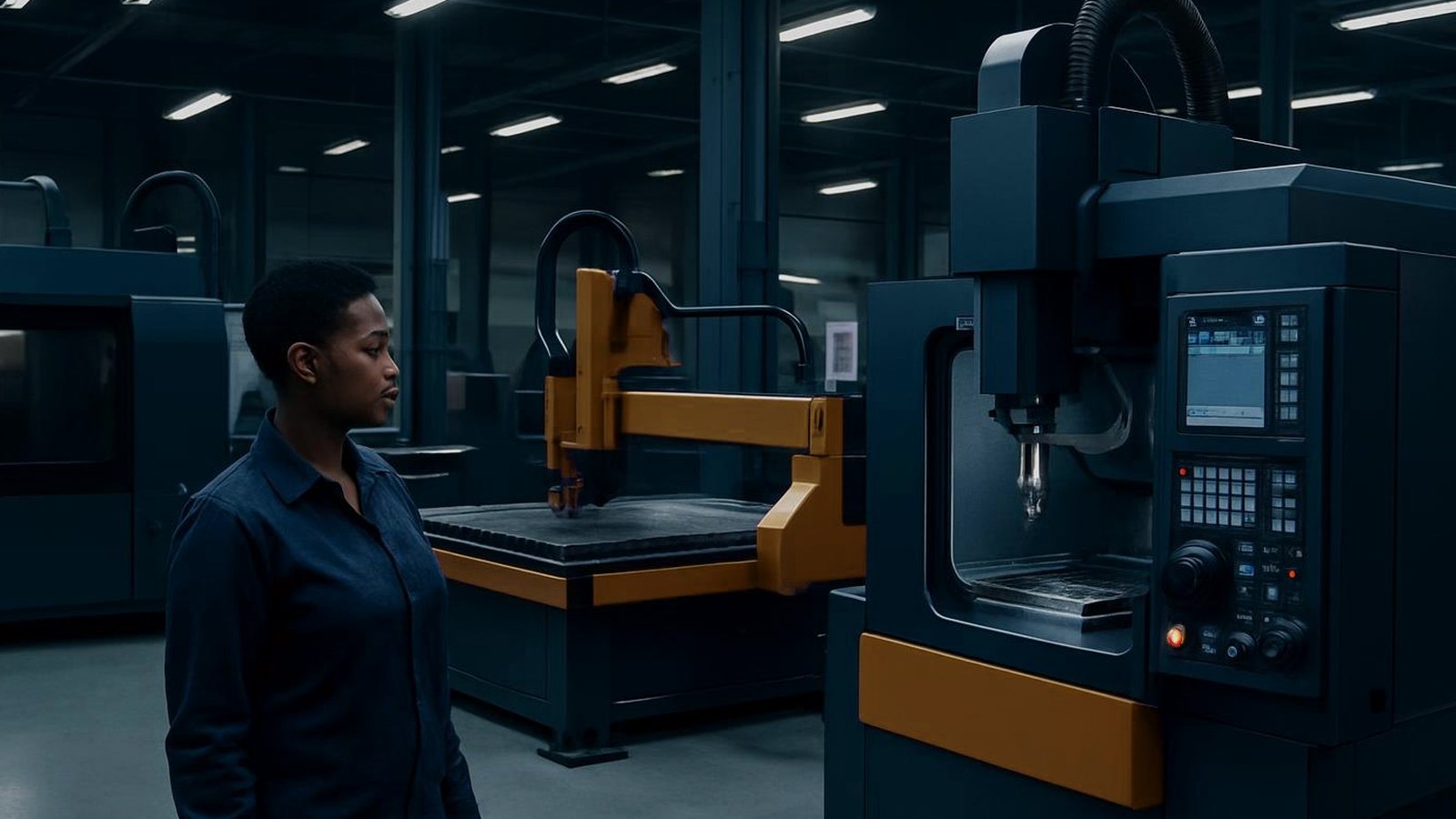
A fixture shop bay keeps your workshop productive by making repeat setups easier, faster and more accurate. It suits teams machining batches on CNC mills and lathes with changing jobs.
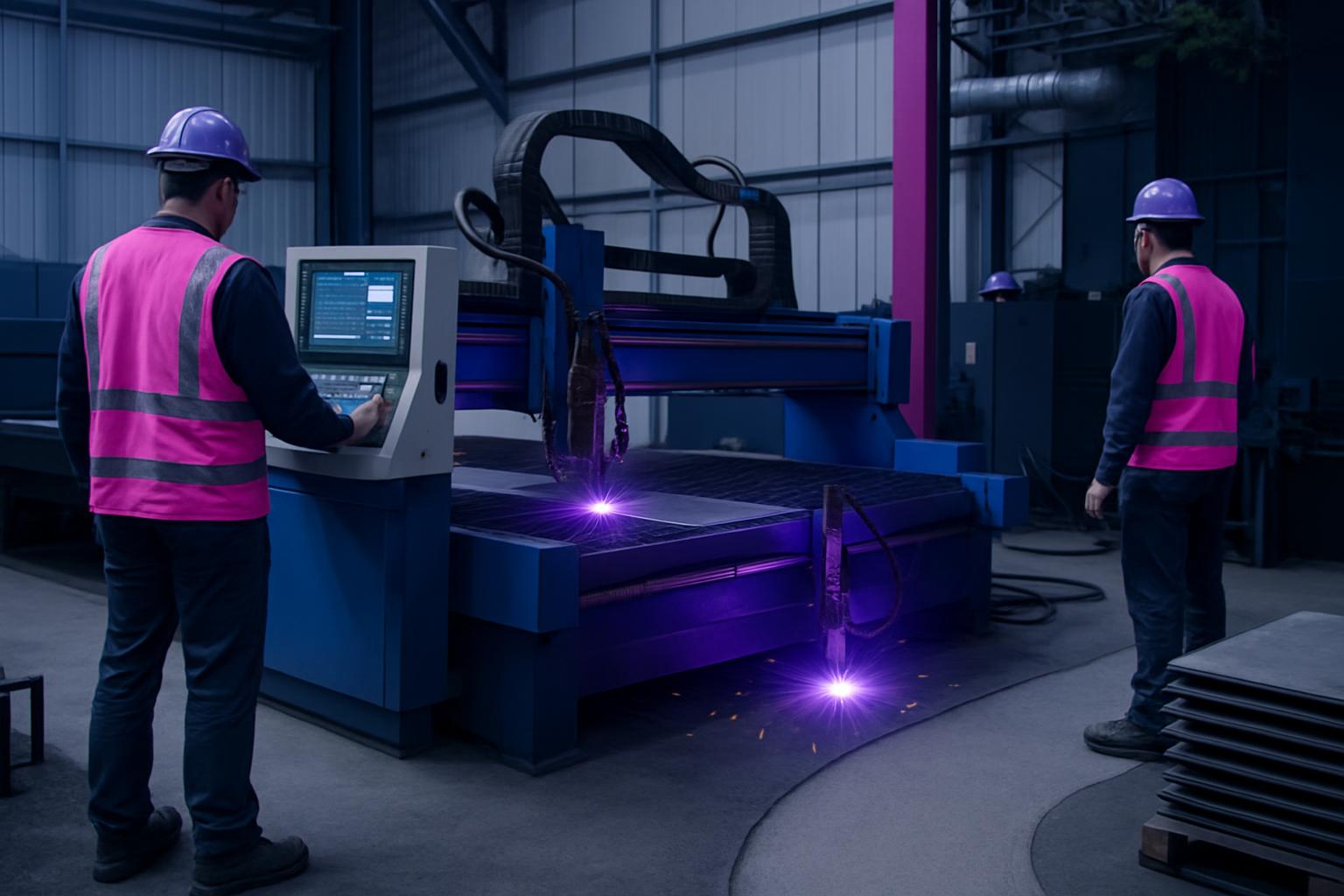
Read the related specsheet notes and printable resources before you order.
Most South African job shops and toolrooms need to run short batches and switch between jobs on tight schedules. The pressure comes from both sides: customers expect fast turnaround, while your team must keep setups accurate and scrap low. When you lose time on each changeover or fight with clumsy clamps, it quickly eats into margins.
At Gauteng’s higher altitude, dust and dry winter air can also affect sliding surfaces and storage. Along the coast, like Durban or Gqeberha, rust and humidity are a constant concern for fixture plates and tools. The right bay layout helps keep everything ready, protected and documented, whether you’re machining mild steel, aluminium or plastics.
A dependable fixture shop bay starts with a compact CNC mill, such as the Feature Mill 3-Axis, for jig plates, soft jaws and prototype parts. The BT30 or ER tool holders are easy to swap and keep tool changes efficient. Alongside, the Feature Tool Crib organises cutters, inserts and small fixtures so operators don’t waste time digging through toolbox clutter.
We add a Feature Spindle Kit with matched collets and a labelled tray to cut down on tool handling errors. For jobs that need specific holding, a soft jaw set is essential, as is a clamp tray for small batch or odd shapes. Keeping everything in close reach, stored clean and marked, makes it easier to move quickly between jobs without mistakes.
Start the week by checking that all fixtures, jaws and tools are clean, oiled and stored for easy access. Set up the Feature Mill 3-Axis with your most-used soft jaws and document your main work offsets. Confirm all cutters and inserts are in the Tool Crib with labels visible. At the start of each shift, check for any wear or missing items before new setups begin.
Keep a record of fixture plate layouts and jaw profiles for jobs you run repeatedly. Update your fixture log when you tweak a setup, and mark any special clamps or tools needed for tricky jobs. If power cuts are common in your area, keep a UPS on the controller to allow for a controlled shutdown and quick recovery.
We often see shops misplace clamp sets, lose track of jaw profiles or fail to mark used tooling. This leads to wasted setup time, damaged parts or rework. Another frequent issue is relying on memory rather than a fixture record, so mistakes repeat and operators disagree over the right method.
Avoid these pitfalls by keeping everything labelled and logged in your Tool Crib, and by using dedicated trays for clamps and soft jaws. Do not let steel fixtures rust in coastal areas, wipe with oil and cover overnight. Train every operator to update the fixture log after changing a setup. This discipline keeps production smooth even when batches or operators rotate.
Verified Google reviews