Cabinet shop
A Germiston cabinet shop shifted to a nested CNC workflow for steady, predictable cutting and assembly. The upgrade targeted output, dust control and handoff efficiency.
This Germiston workshop serves the local trade with flat-pack units, built-in cupboards and shopfitting panels. Their team handles regular school, housing and office contracts, with a busy floor and tight delivery targets. They needed to stabilise output and keep downtime low, especially when schedule changes hit mid-week or extra units were called for.
Managing dust and keeping quality up from cut to assembly was a constant job. The owner wanted to move beyond manual panel saws and reduce rework from slipped dimensions or rough edges. With Gauteng’s dry winter dust and the steady hum of edge-banders and drills, the shop needed both a reliable cut and a cleaner environment for both staff and parts.
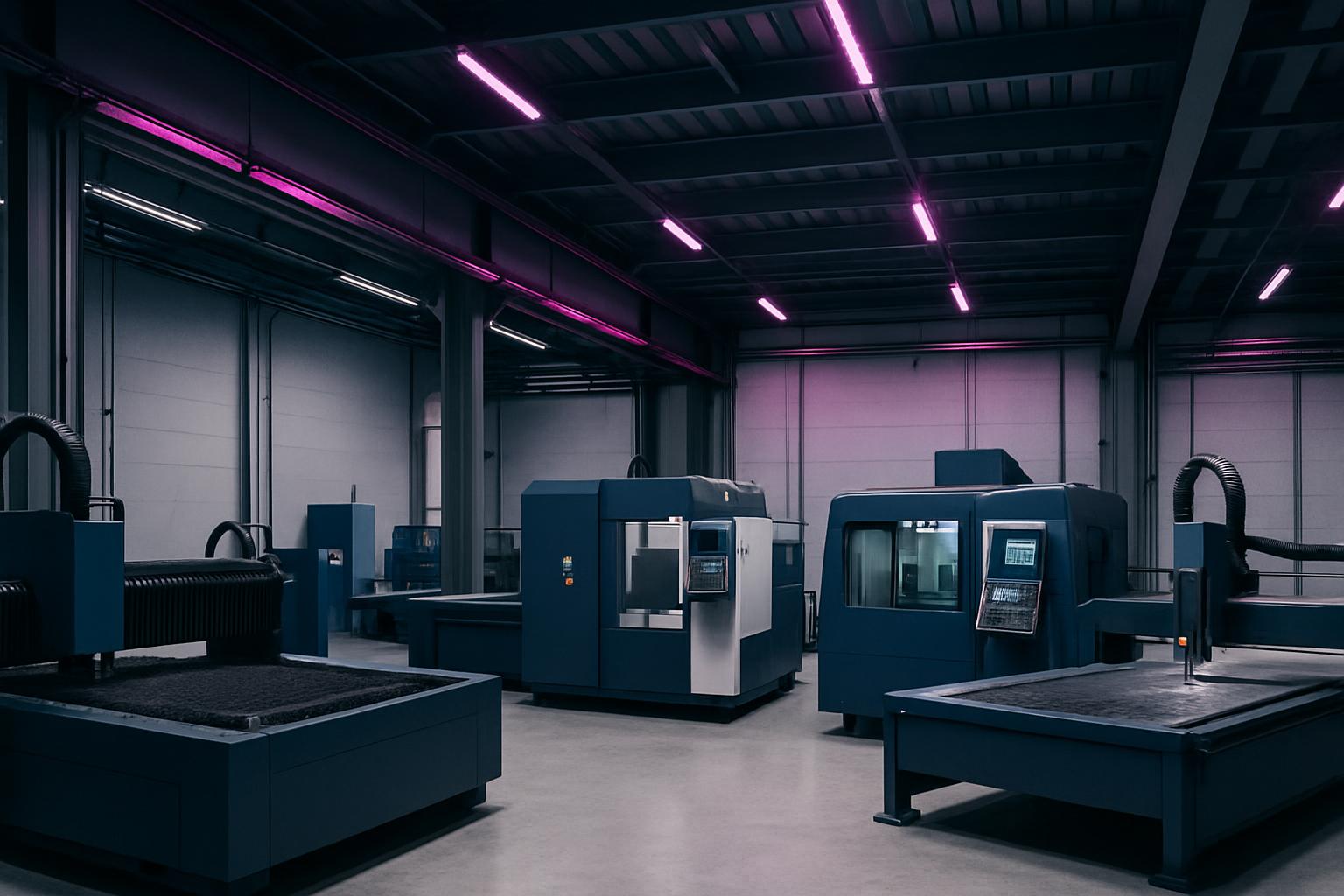
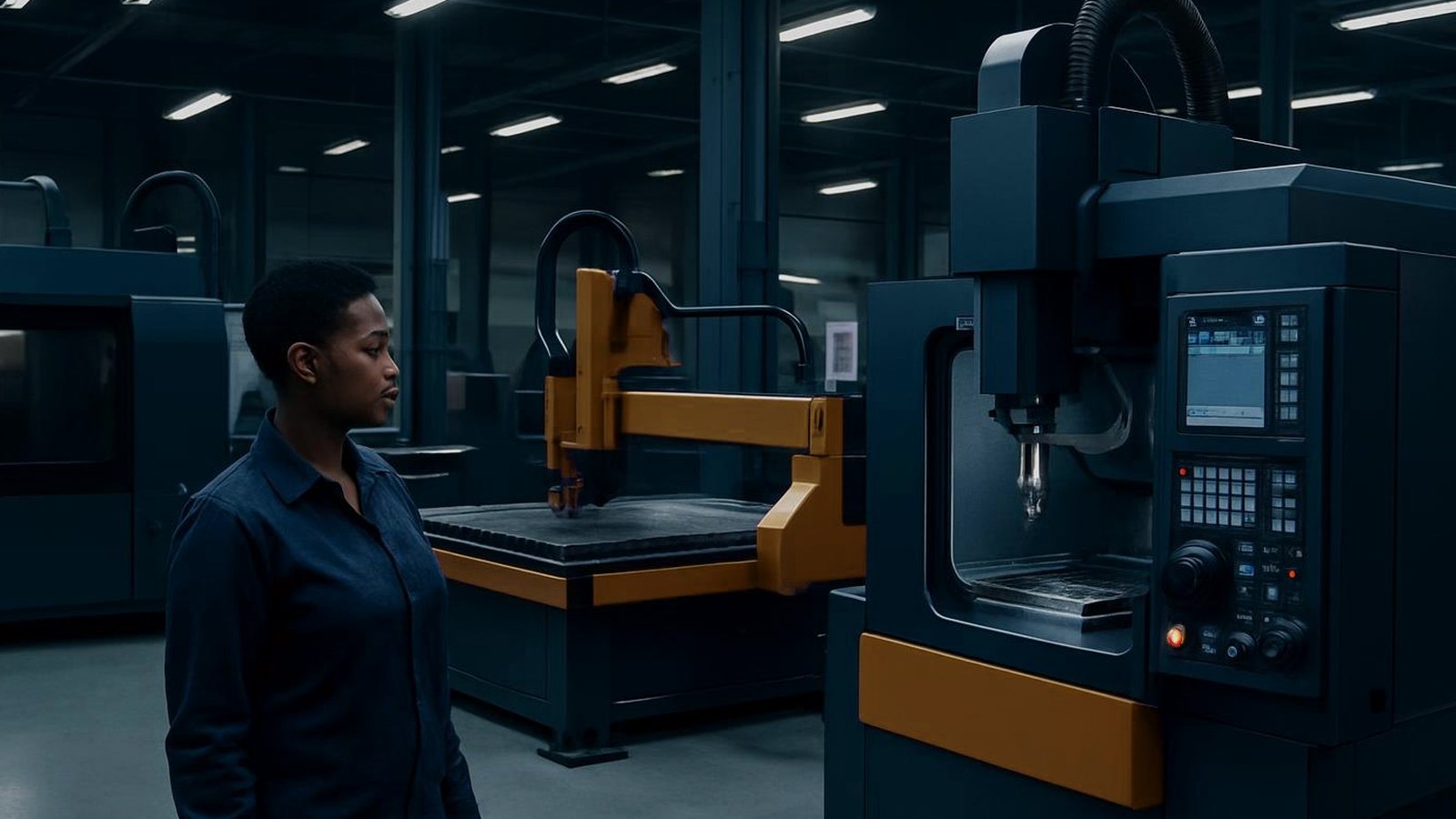
We matched them with the Feature Router 1212 CNC, set up for nested sheet work on a 1200 x 1200 mm vacuum bed. The system uses Vectric or similar software for nesting and toolpath planning, with USB pendant control for simple job changes. To keep the work area safe and within dust limits, we installed a Feature Dust Cell with staged filtration, capturing wood dust at source according to the Regulations for Hazardous Chemical Agents.
We worked alongside their electrician to connect both machines to 400 V three-phase, with a Certificate of Compliance on all new wiring. The installation included cable trays and earthing, as required by SANS 10142-1, and we trained their operators on safe setup, tool changes and the correct use of vacuum hold-down for a full nested sheet. A dedicated handoff zone was marked out for finished parts, flowing straight to edge-banding and assembly, which cut handling steps and mix-ups.
After the first run-in, the shop saw a smoother, quieter workflow. Sheet usage improved: they could nest more parts per board, trimming scrap and cutting errors. Assembly teams reported fewer missing or mis-sized panels, since the nested CNC held tolerances better than the manual saws. The dust cell also made a clear difference, keeping airborne dust below nuisance level and reducing sweep-up time.
Operator feedback was positive on the controller’s USB system and pendant, simple shift changes and less time walking to the PC. When a municipal outage hit Sunnyrock one Monday, the team followed CNC best practice: protecting their controller with a UPS, re-homing axes and checking zero before restarting. This kept jobs on track and prevented waste. Overall, they found weekly output steadier and floor downtime lower.
For shops running repeated cabinet jobs, a nested CNC setup like this brings control to both quality and output. Reliable dust capture helps with compliance, and it means cleaner panels and fewer health risks for staff. The move to planned material flow, with handoff zones and marked storage, reduces errors when the floor is busy.
Workshops in Gauteng and on the Highveld should expect fine dust and static to be ongoing issues, keep filters clean and vacuum seals checked. Always bring in a registered electrician for new wiring or power upgrades. If your contracts push for regular batch runs, rather than one-off work, nested CNC and dust management deliver results you can measure in steady weekly output and fewer callbacks.
Verified Google reviews