Sign shop
A busy sign shop in Isando needed a faster route from design file to finished signage ready for delivery, with fewer bottlenecks and smoother handover to their install crew.
This sign shop is right outside the Isando industrial parks, handling a big variety of jobs from channel letters for new retail to directional boards for warehouses. Their floor was always busy, with small mixed runs stacked against quick turnaround jobs. Teams often worked late to push orders out before the bakkie arrived. They needed to cut acrylic, ACM and PVC cleanly, keep panel edges true, and make sure every piece left the shop ready for on-site install.
Even with experience, they struggled with bottlenecks: offcuts piling up, inconsistent edge quality, and delays every time power cuts hit their Gauteng area. The owner wanted a setup that could keep up with the pace, reduce rework, and help the team stick to delivery slots, even when there were surprises with cut files or materials.
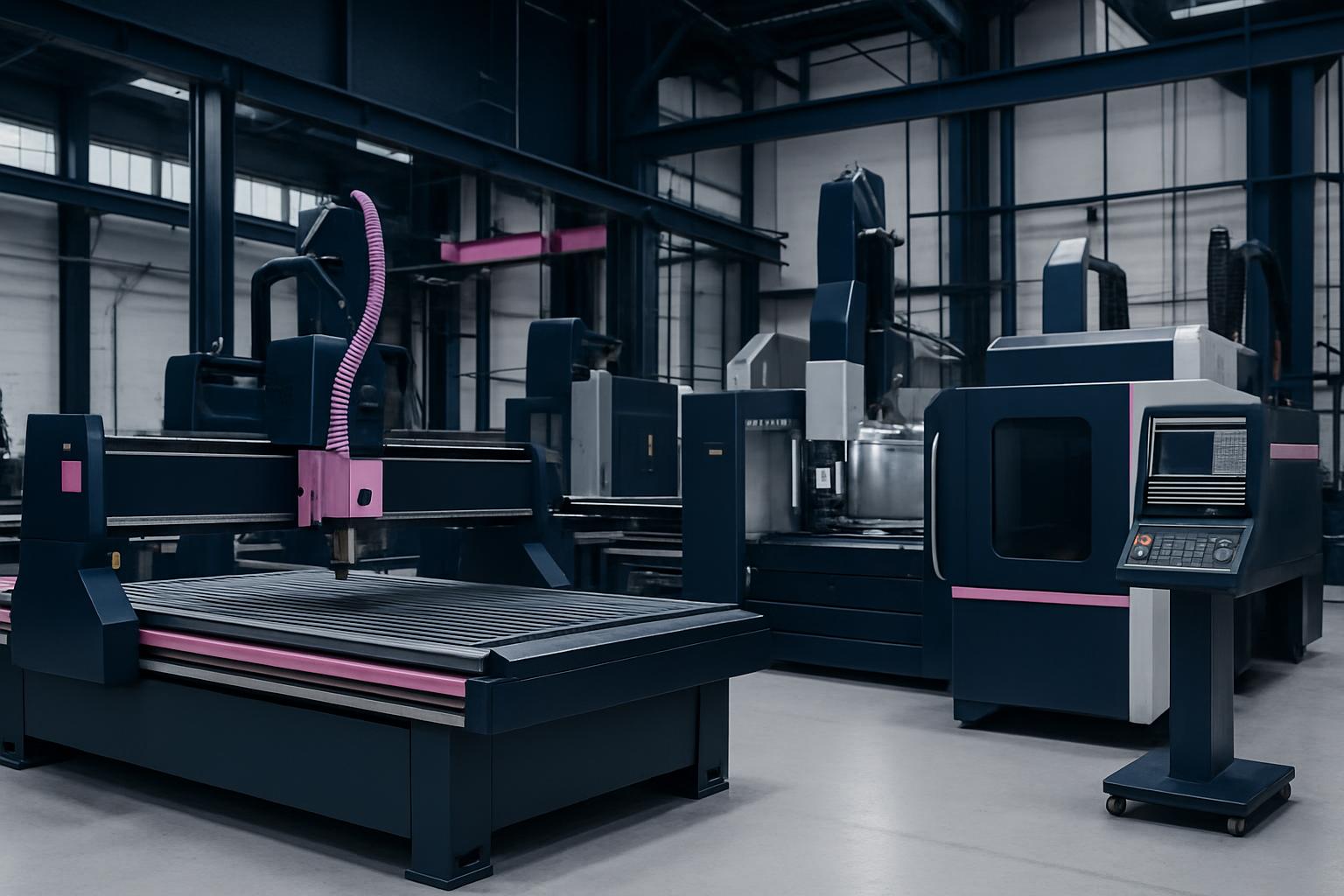
We recommended the Feature Router 1212 for its 1,200 x 1,200 mm bed, USB pendant control, and vacuum table. This compact CNC router is ideal for signage panels and letters that fit within standard sheet sizes, and the vacuum bed holds even warped plastics flat while cutting. We set it up with a 2.2 kW class spindle for acrylic and composites, and a matched ER collet set for quick tool changes.
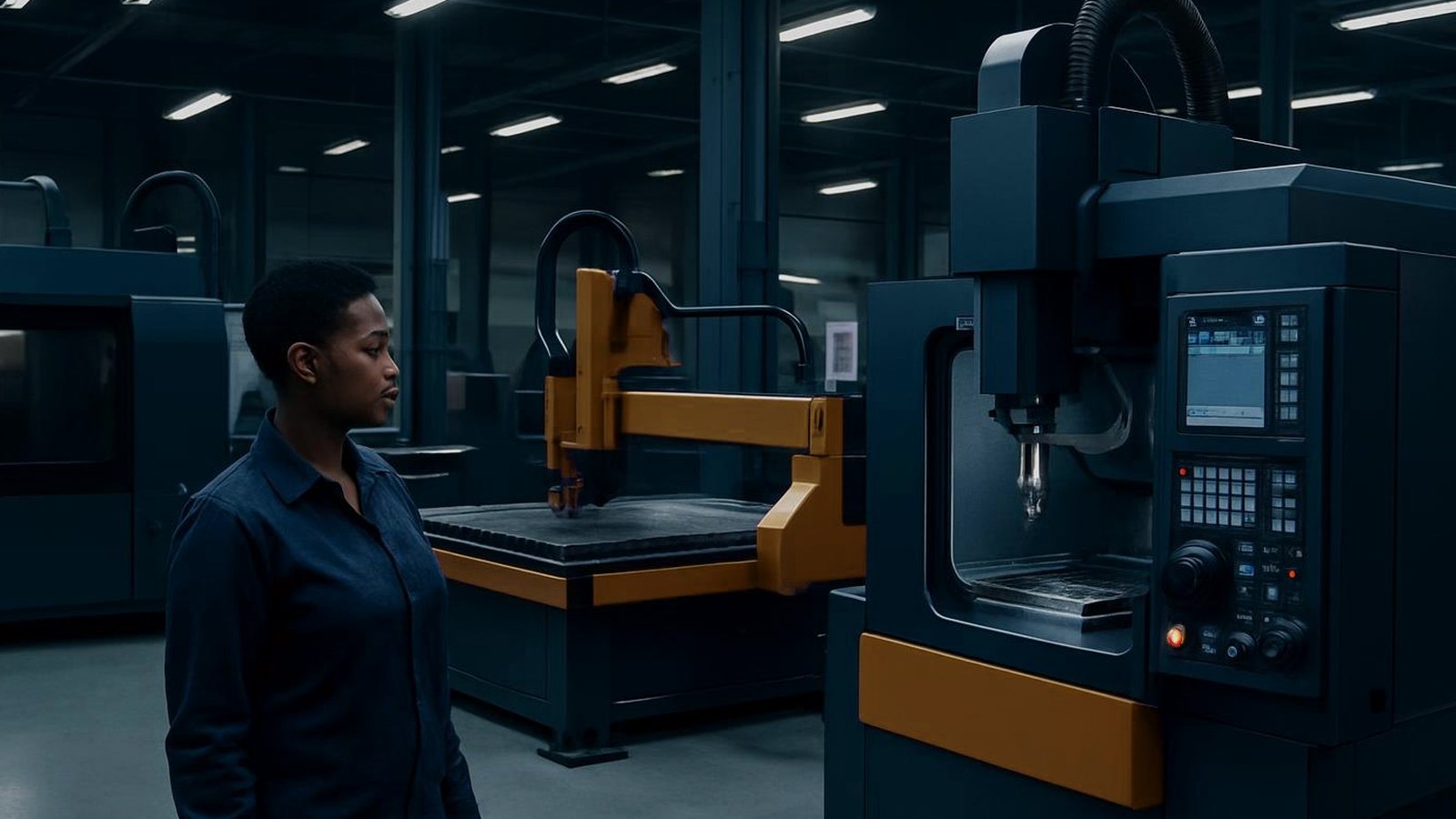
Ms Boitumelo Biyela assisted with bay layout, making sure there was space for finished panels, scrap, and an easy path to the packing table. We also installed a Feature Dust Cell for staged filtration, since cutting acrylic and PVC generates fine dust. The shop’s electrician helped us check the single-phase 230 V supply and issued a Certificate of Compliance, so everything was legal and safe from day one.
After the first few weeks, the team noticed fewer cut errors and less time lost on edge clean-up. The vacuum bed meant warped sheets didnt lift mid-cut, so jobs ran with less supervision. The router’s repeatability made it easier to match new logo runs to previous jobs, and the operator could quickly re-home the machine after a power outage using a UPS on the controller.
The biggest change was in workflow: files moved from design to the router with small paper job tickets, so every cut part was traceable to a customer order. There was less confusion over what stage each job was at. With a clear bay layout and clamp tray for cutters, they hardly ever misplaced a tool or scrap piece, which saved real time.
A tight, practical router setup with dust extraction and simple process controls can make a big difference in a sign shop running mixed jobs. Keeping the bed size matched to your most common panel runs prevents wasted space and helps manage workflow.
Making sure your team can re-home the axes and check work zero after a power cut is essential in Gauteng, where local outages still happen. Proper bay labelling, cutter storage and clear paperwork do more than keep things tidy, they keep jobs moving and reduce mistakes, especially when you’re under pressure.
Verified Google reviews