Coastal plant
A Pinetown jobbing plant upgraded to fibre laser serial marking for consistent traceability on stainless and aluminium, managing humid coastal conditions with practical improvements.
This mid-sized workshop in Pinetown, KwaZulu-Natal, handles contract runs of stainless steel and aluminium parts for local automotive and rail customers. Auditors and end-users required every finished component to carry a visible, permanent serial mark before final polishing. Traditional stamping was causing deformation on thin work and was slow to change over for new jobs. The plant needed a reliable marking method that wouldn’t hold up the line or smudge during polishing.
Humidity is a constant factor in Pinetown, especially in summer. Rust and condensation build quickly on exposed metal and electronic parts. The client wanted a machine bay solution that would run cleanly even in muggy conditions, with enough extraction to keep operators comfortable and dust away from optics.
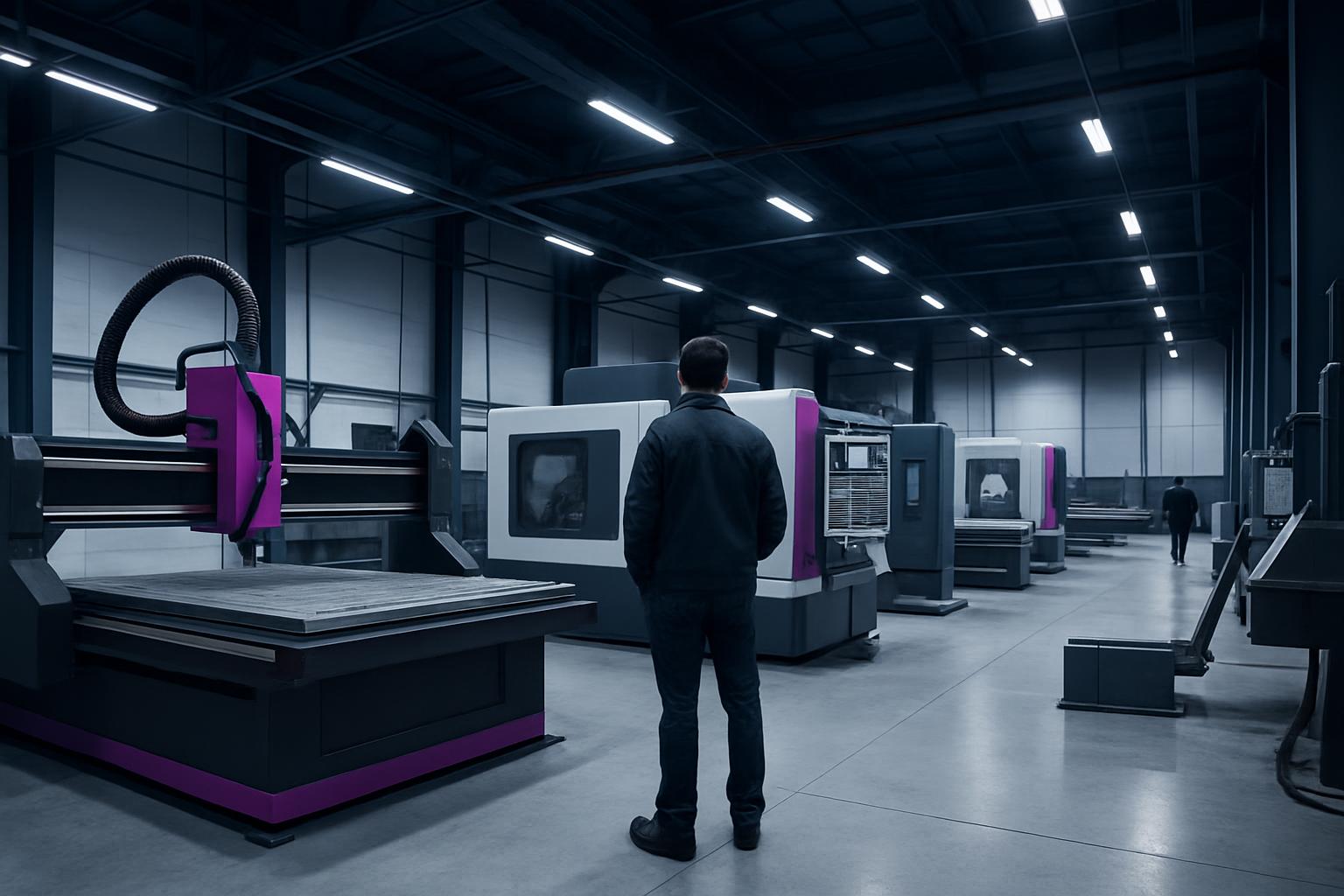
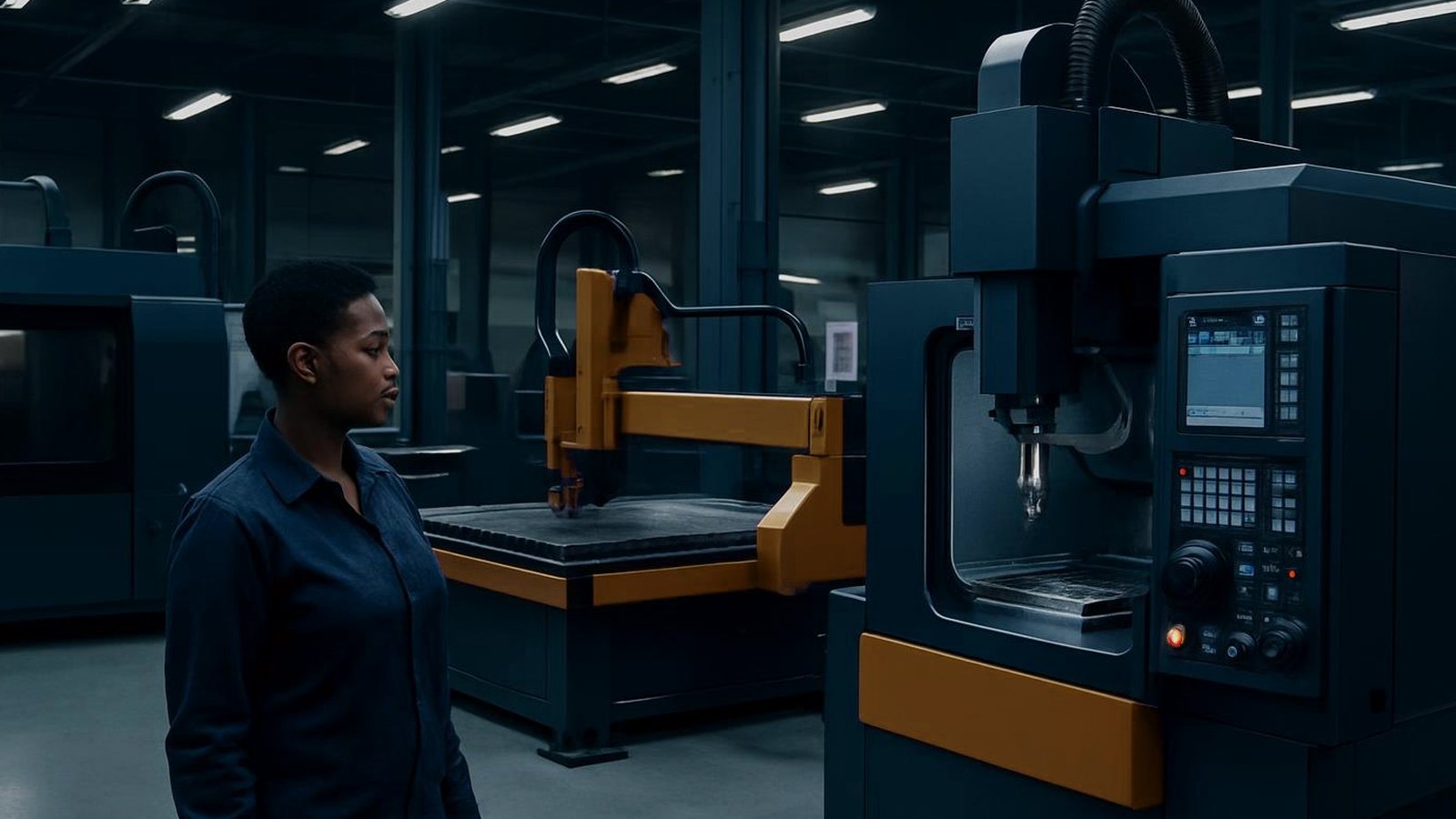
We specified a Feature Fibre Laser marking cell with a mark field up to 150 mm, fitted in a steel-framed enclosure for open view but controlled access. The unit included integrated fume extraction, plus a staged filter Feature Dust Cell to handle both marking fumes and fine coastal dust. The optical path was sealed to prevent fogging, and all electrical cabinets were fitted with a small heater/dehumidifier block to keep condensation out.
For workflow, we installed the cell near the parts inspection area, with benchtop staging for in-process components. Operators used our supplied clamp tray to speed up loading. Power was protected with a dedicated small UPS on the controller, as Pinetown sometimes sees unplanned power cuts from cable faults. The whole bay was planned to let marked pieces move straight into the polish prep area without queuing up.
After start-up, operators noticed that the fume extraction needed more frequent filter changes than expected. Its probably due to fine sea salt and humidity combining with fume in the filter pack, so we advised on a weekly check instead of monthly. The team also found that, on humid afternoons, surface moisture could cause the laser mark to come out slightly faded on some stainless batches.
To fix this, the workflow was adapted: wiping down each part just before marking, and letting marked parts rest under a warm air vent before polish. These small process tweaks helped keep serials crisp and readable, reducing touch-ups and rework.
For workshops in coastal zones like Durban or Gqeberha, fibre marking can be a reliable upgrade if the machine bay is adapted to the climate. Regular filter maintenance and dehumidifying electrical enclosures are key to consistent performance. Locating the marker near inspection and post-processing steps improves productivity and reduces handling damage.
Operators need training on both laser safety and the particular cleaning and prep steps that humid conditions demand. Coastal air will challenge any exposed steel or sensitive optics, so schedule more frequent checks and keep spares for filters and safety glasses on hand.
Verified Google reviews