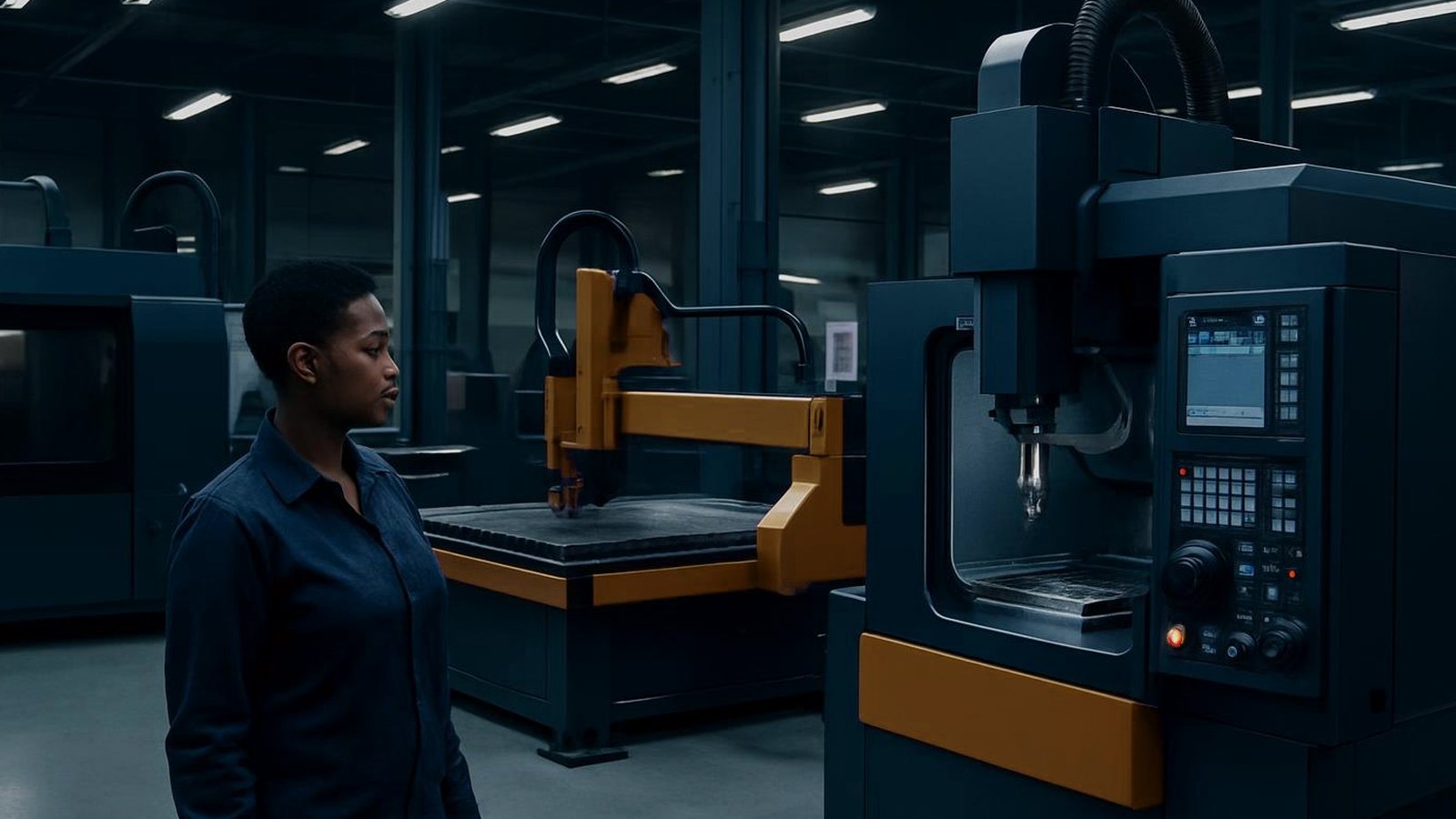
Bay
Export crate bay is for workshops packing CNC parts and machines for road, rail or sea freight, keeping jobs safe from Gauteng dust to Durban docks and beyond.
Read the related specsheet notes and printable resources before you order.
South African workshops sending CNC-cut parts or equipment across provinces or overseas know transport can be rough. Inland haulage sees vibration, dust and sudden braking, while coastal routes mean humidity and containers at the docks. A crate that fails could mean bent rails, rusted ways or parts damaged before the customer even opens the box.
Export crate bay is for teams who must box up work so it arrives ready, whether it’s signage, metal parts, or full machines. The pain points are real: missed ISPM 15 stamps, loose fasteners, or a crate brace that pops out after a week in a hot container. It's also common to have last-minute pack jobs when a freight forwarder rings early and crews are short-handed.
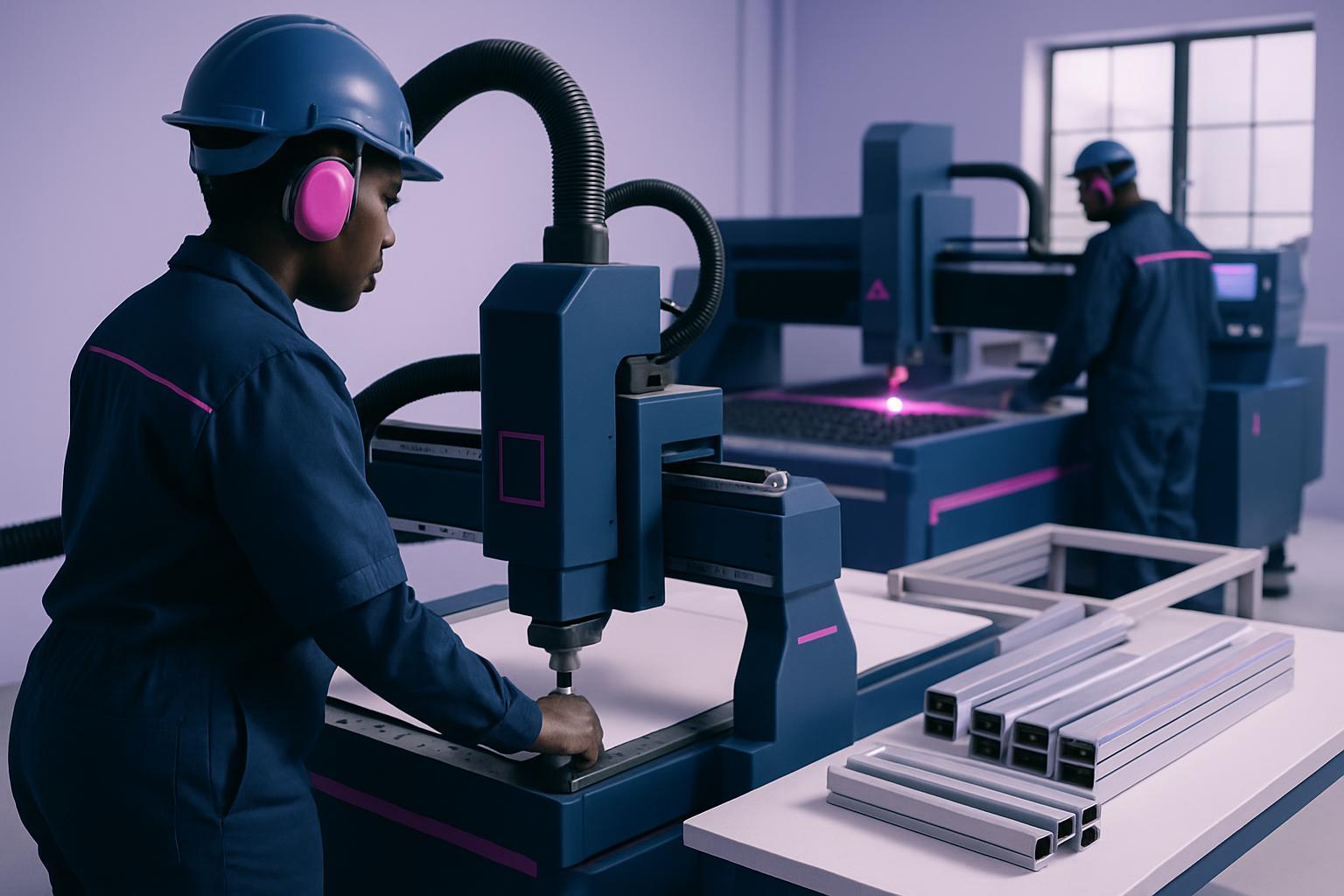
A proper export crate bay needs a solid mix of cutting, joining and handling tools. At Feature Equipment, we recommend the Feature Sheet Shear for blanking steel or aluminium packing struts, and the Feature Waterjet Bay for cutting tough crate braces or sample plates where no heat distortion is allowed. The Feature Tool Crib keeps all fasteners, spanners and tie-downs organised and within reach.
Fixtures matter just as much: the crate brace kit is essential for strengthening long crates, and the insert shadow board helps teams keep packing inserts, bolts and ISPM 15 docs separated. We also use vacuum table pads if we need to lock small sample pieces down before boxing.
Start the week by checking all packing timber and crates are ISPM 15 heat treated and stamped, especially for international shipments, inspect each for cracks or loose fasteners. Assign jobs to the right machine: use the shear for flat panels, waterjet for high-value inserts, and Tool Crib to lay out all necessary fixings before you begin assembly.
Stage finished CNC jobs near the packing area, not in the main workshop, to cut down on double handling. If you expect power cuts, keep a charged UPS on the Tool Crib PC for digital docs and crate labelling. At the coast, always wipe down and oil steel parts before crating to stop rust before it sets in.
Some busy teams forget the ISPM 15 export stamp or misplace crate fasteners, leading to customs delays or even shipment rejection. Another slip is using untreated pine or mixing up packing lists, which can result in a crate being opened for inspection and everything spilling out right on the dock.
Don’t rush the bracing, weak crate corners and missing cross-struts let the load shift or collapse with a hard knock. Always keep packing docs, bolts and IPPC marks in the insert shadow board so nothing gets lost when the next shift takes over.
Verified Google reviews