Bay
A prototype cell bay is for South African workshops needing accurate, functional samples or pilot parts each week. It keeps short-run work on track despite staff changes or power cuts.
Read the related specsheet notes and printable resources before you order.
When you must deliver pilot parts, fixtures or customer samples every week, tight turnaround becomes the norm. Pressure comes from clients who expect a new version by Friday, or from internal teams that cannot wait for next month’s order. In South Africa, this load is heavier when municipal power cuts, staff shortages or workshop repairs disrupt the flow.
Prototype cells are common in Joburg toolrooms, coastal fabrication shops and technical schools. These bays suit teams who need reliable, repeatable machines for small batches or one-off test pieces, not open-ended R&D or artist panels. Every sample must be made to be measured, tested or signed off, there is little room for loose timing or creative detours.
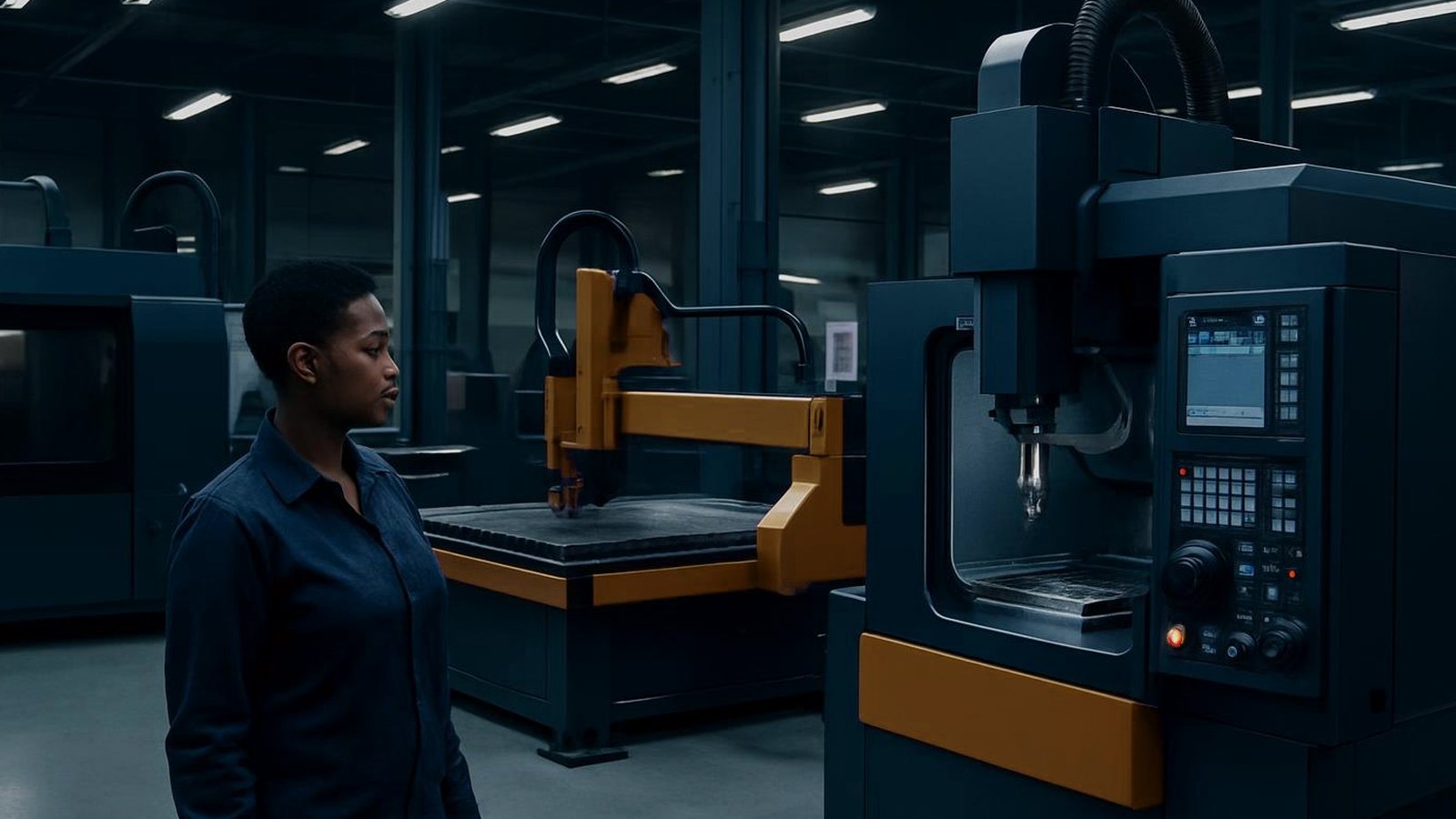
We recommend the Feature Mill 3-Axis for CNC sample work: it handles everything from small fixtures to test plates with tight control of geometry and features. Add the Feature Waterjet Bay for cold cutting of aluminium, mild steel, glass or composites, especially when you need to avoid distortion or heat-affected zones. Pair both with the Feature Tool Crib, so cutters, collets and fixtures are always stored, labelled and ready.
In a South African setting, choose machines that recover quickly after outages. The Mill 3-Axis and Waterjet Bay both support USB control and simple homing, making it easier to pick up after a controlled shutdown. For coastal regions, keep all exposed ways or rails oiled and cover the machines overnight to prevent rust, as salt air in Durban and Gqeberha will attack bare steel in days.
A working prototype cell runs on a steady, repeatable routine. Whether you have one operator per machine or share operators between bays, the same approach applies. Each sample job should move through the bay with no wasted steps or missing tools.
Break the week’s workload into sample runs, set clear handover points and keep tooling close to each machine. Always plan for possible delays from power cuts or breakdowns. If you are in Gauteng or KZN, a UPS on the controller lets you shut down safely and avoid losing work zero.
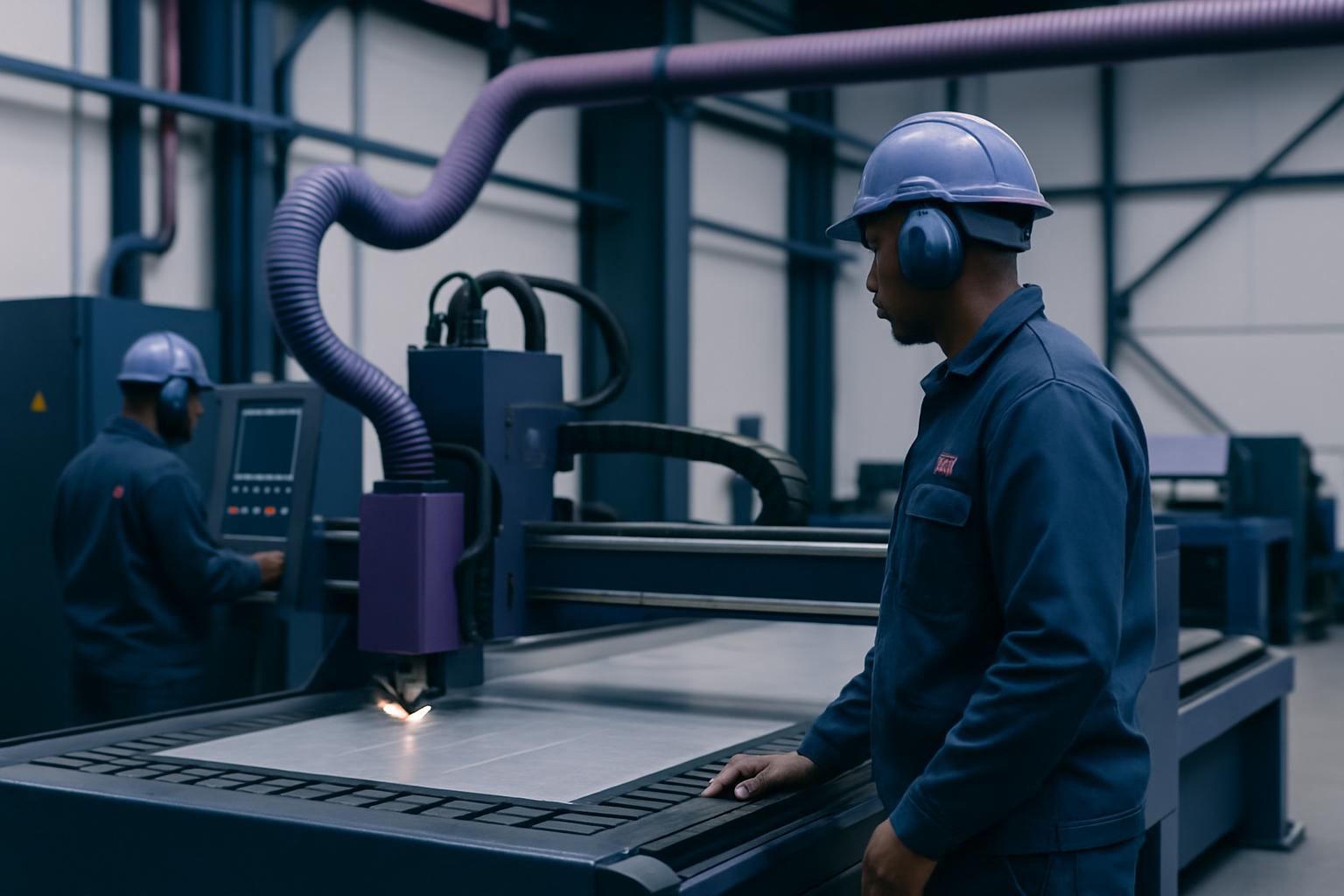
South African workshops often lose hours to missing fixtures, unlabelled cutters or confusion over setup steps. Relying on memory or informal handover causes repeat errors, especially when operators change shifts or step in to help. Running machines without dust or fume extraction risks both health and machine lifespan.
Avoid downtime by keeping a detailed log, storing tools in a labelled Feature Tool Crib and making sure every operator is trained and competent on each machine. Under the OHS Act, you must keep guards in place and capture dust at the source. Do not skip safety checks or cut corners on documentation, even when jobs run late. This discipline keeps your prototype cell reliable and safe, whatever the week brings.
Verified Google reviews