Plasma cut
Feature Plasma Compact is a table-sized air plasma cutter designed for South African fabrication shops needing reliable, repeatable plate cutting in tight workshop spaces.
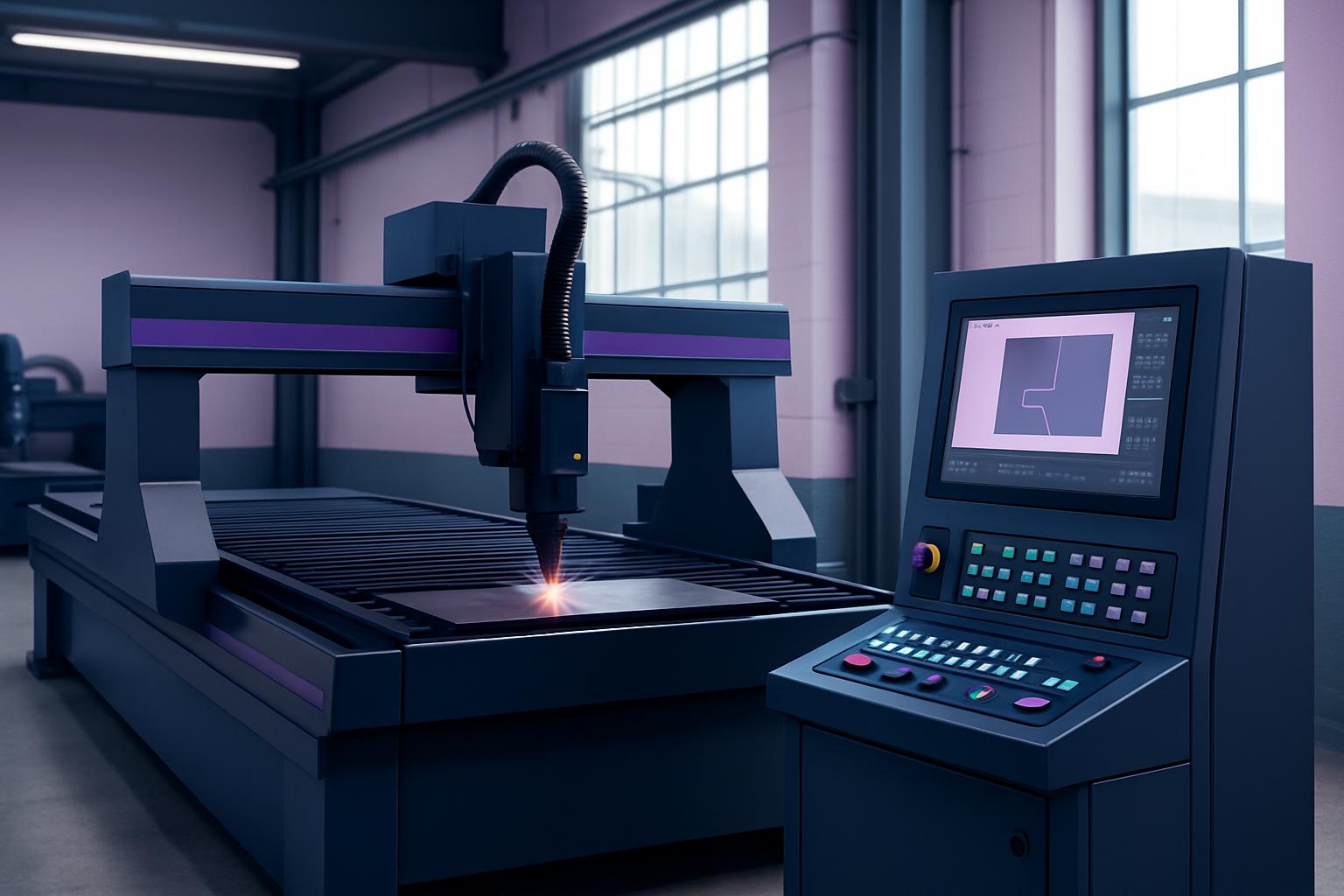
Fab bays pick Plasma Compact when pierces and pierce height must stay consistent in dusty Highveld air.
| Cut class | Air plasma |
|---|---|
| Table | Compact |
| Pierce | Height lock |
| Ideal for | Fab shops |
| Lead | Stock Gauteng |
| Care | Tips + swirl |
The Feature Plasma Compact is built for fabricators who need practical, repeatable plasma cutting in a smaller footprint. It suits job shops, workshops and technical schools where space, power and crew size are all at a premium. This table runs on clean, dry compressed air and offers consistent torch height control with a dedicated lock, so you can hold settings even through a busy shift.
It is well matched to short bays and multi-purpose fabrication areas where you need to move material quickly, keep up with small batch work, and avoid the setup headaches of full-scale gantry systems. Typical users are foremen, production managers and trainers who want to upgrade from manual plasma or oxy-fuel without overcommitting on space or electrical supply.
Feature Plasma Compact is suited for cutting mild steel, galvanised plate, stainless steel, and aluminium sheet. It excels at making brackets, flanges, gussets, signage parts and general plate components in thicknesses typically handled by air plasma. The machine is designed for light to medium fabrication jobs and short production runs.
The table’s compact size is best for workpieces that fit within a shop-scale workflow, parts for gates, panels, support frames or project kits. It is not designed for full-length industrial sheets or heavy sections, but will cover most common cut profiles a workshop faces day to day.
Before delivery, make sure your site has a stable, grounded power supply: single-phase 230 V or three-phase 400 V at 50 Hz, depending on the model. Electrical connections must be installed and signed off by a registered electrician under SANS 10142-1; you will receive a Certificate of Compliance.
You will need a reliable compressor that delivers clean, dry compressed air, moisture or oil in the airline will quickly reduce consumable life and affect cut quality. Allow floor space for the machine itself, safe operator movement, and access for maintenance. Plan a basic extraction or ventilation setup to remove cutting smoke. Keep a consumable kit with torch tips, electrodes and swirl rings on hand to avoid downtime.
In Germiston, a fabrication shop installed Feature Plasma Compact to handle small-batch plate work for custom gates and truck brackets. The team runs two shifts and often needs rapid changeovers between mild steel and aluminium jobs.
After piping in a refrigerated air dryer and training operators on torch height lock and maintenance, they saw stable cut quality and much less downtime for nozzle changes. The compact table meant they could free up floorspace for finishing and welding, and manage power cuts by connecting the controller to a UPS, following a controlled shutdown and homing axes again after outages.
In the first few months, the most frequent issues are torch consumable wear, poor air quality, incorrect pierce height, and forgetting to re-home the machine after a power cut. Each of these can cost time and material if not managed.
Use a filter or dryer on your compressor to keep air clean and dry. Train staff to check and replace tips and electrodes often, and keep a consumable log. Always set pierce height higher than cut height to protect the nozzle from spatter. If you have a power outage, do a controlled controller shutdown, then re-reference your work zero before starting again. These habits will help you get consistent results and extend the lifespan of the machine.
Verified Google reviews