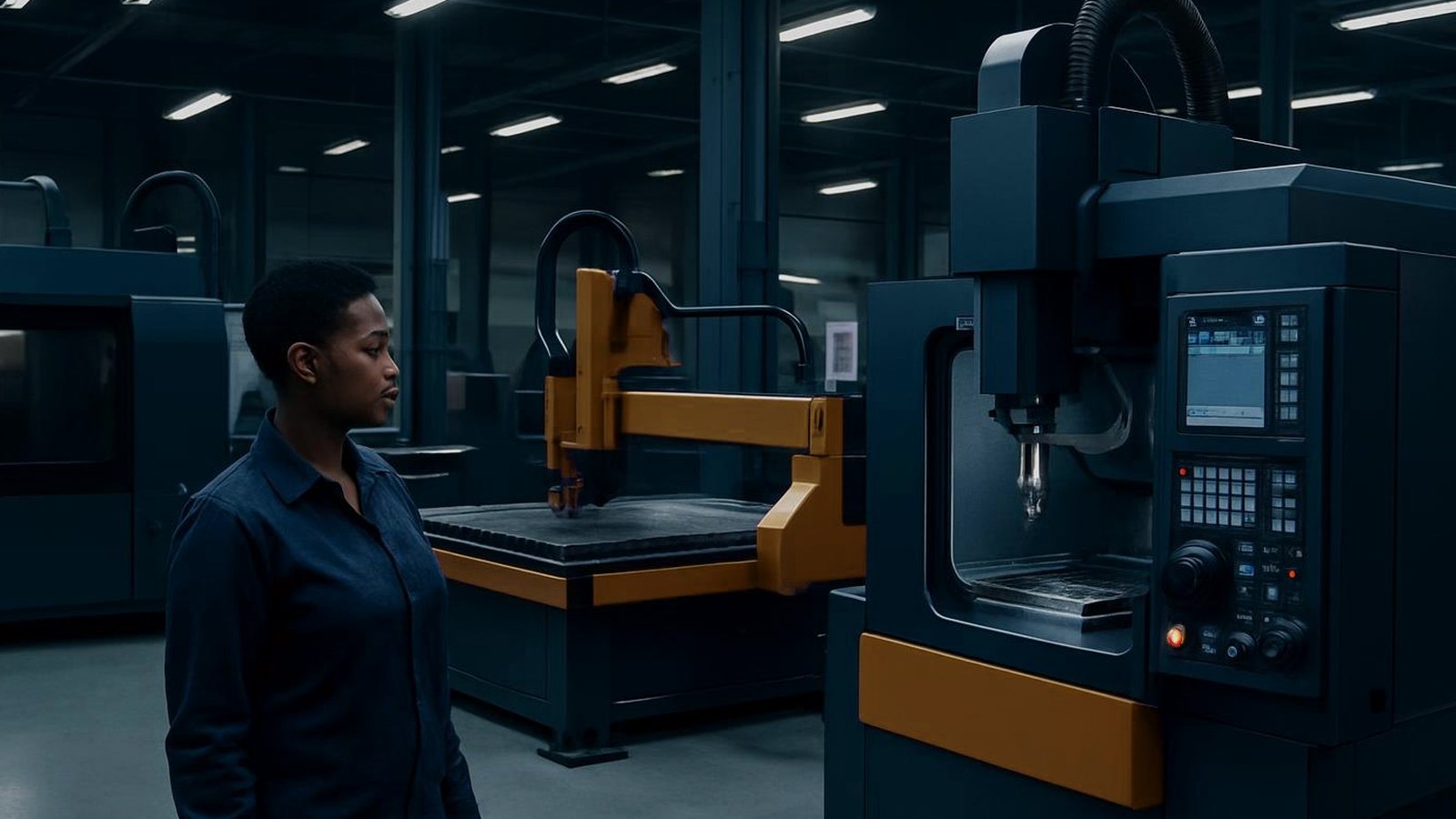
Bay
A dedicated automotive fixture bay keeps repeat machining, repair and component jobs on track for workshops handling shafts, brackets and custom mounts. Plan for batch work, traceability and less downtime.
Read the related specsheet notes and printable resources before you order.
Automotive workshops, engine rebuilders and fleet depots often handle jobs where accuracy, traceability and repeat setups matter. Shafts, bushes, brackets and mounting plates need to be machined, pressed or engraved repeatedly, with consistent results and quick changeovers. When work comes in batches, whether from municipal fleets or panel shops, the pain points are wasted time during setups, lost tools, uneven quality and tracking errors.
South African conditions add their own twist: fine dust on the Highveld, rust and condensation at the coast, and the risk of power cuts mid-job in Gauteng or KZN. Each of these can stall production, add scrap or force rework if you have not planned the bay and workflow around them.
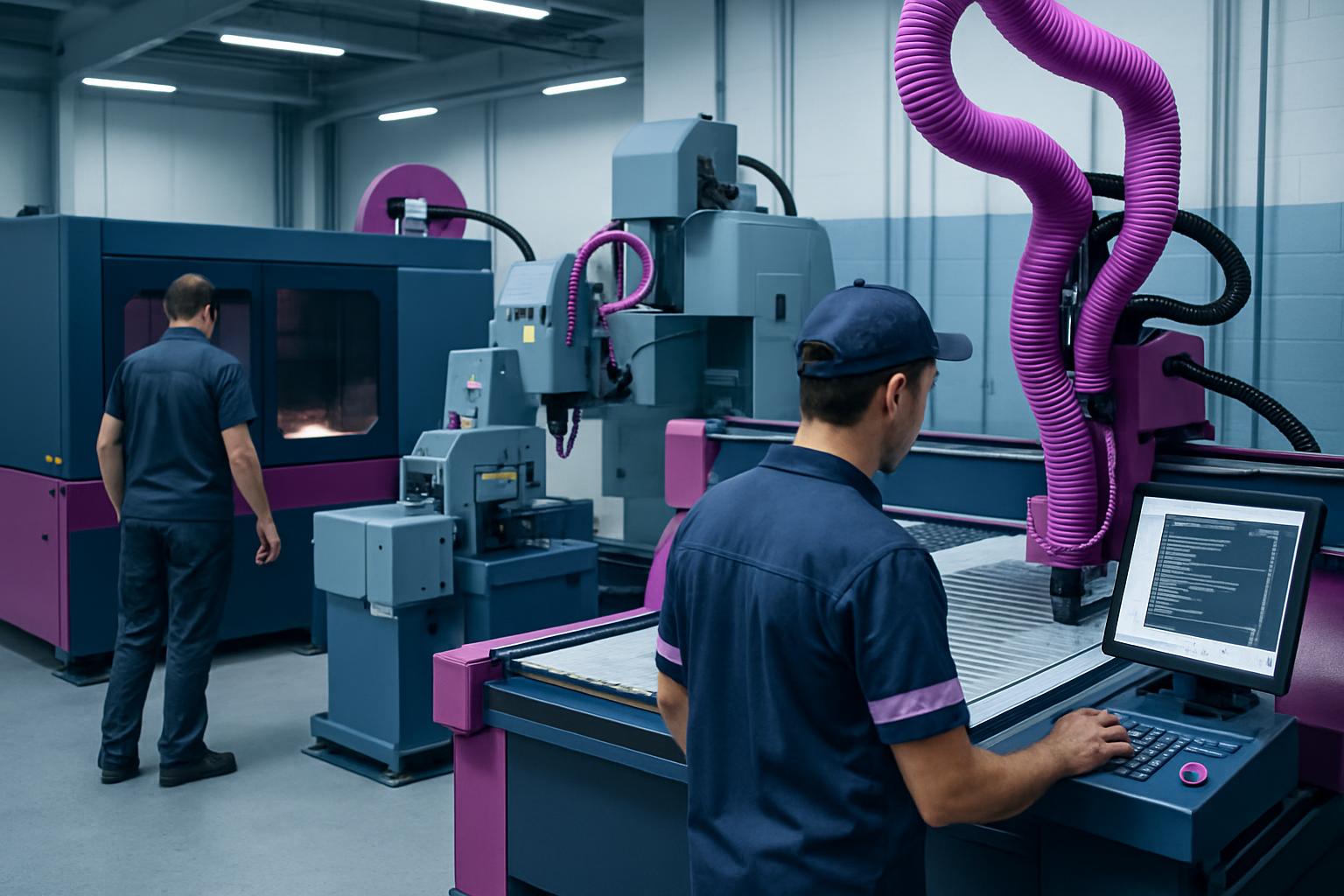
For an automotive fixture bay, we recommend anchoring the workflow with the Feature Mill 3-Axis for bracket holes, fixture plates and prototype components, and the Feature Lathe Compact for shafts, bushes and repair work. Where small brackets or short flanges need forming, the Feature Press Brake Mini adds value for quick bends.
To keep work tidy and traceable, add a Feature Tool Crib for cutters, inserts and fixtures, a collet tray for quick spindle changes, and an engrave clamp tray if you are marking serials or batch numbers. A Feature Dust Cell is essential where aluminium or composite machining creates dust, helping you meet the Hazardous Chemical Agents Regulations.
Start with a tool and fixture check on Monday: restock inserts, cutters and lubricants, and check the calibration of your spindle, lathe chuck and press brake. Plan batch jobs so similar setups run back-to-back, this cuts lost time on tool changes and dialling in new workpieces.
Keep the tool crib stocked and shadow boards up to date. Use the collet tray and label fixtures for easy swaps. For traceability, engrave a batch or job number before the parts leave the CNC or lathe. Run dust extraction whenever a machine is cutting, and keep surfaces clean by vacuuming, not sweeping.
We often see shops lose time and parts from poor fixture labelling, missing tooling and neglected extraction. Skipping the daily tool check leads to blunt cutters or the wrong collet in the spindle, causing rejects and downtime. Ignoring dust control means failing compliance checks or risking operator health.
Another trap is poor planning for power cuts. A sudden outage can lose your work zero and damage tools. Always use a UPS on critical controls, and after a cut, re-home axes and double-check your setup before resuming. Keep machines oiled and covered, especially in coastal towns like Durban or Gqeberha, to fight rust.
Verified Google reviews