Job shop
A Germiston job shop needed a practical, flexible way to process small batches of custom metal parts and repairs without tying up space or staff for long runs.
The shop in Sunnyrock, Germiston faced the typical pace of South African jobbing: short runs, unpredictable walk-in repairs and a constant shuffle between fabrication, breakdown parts and custom brackets. Some days saw truck brackets and light enclosures, other days it was gearbox flanges or short-notice bushings. With limited floor area, they could not dedicate a bay to a single machine for hours at a time.
They needed a process that let them move parts quickly from profiling and bending to finishing, making sure no station sat idle. Most jobs were one-offs or small batches, enough variety that a fixed production line did not fit, but too much volume to run everything by hand.
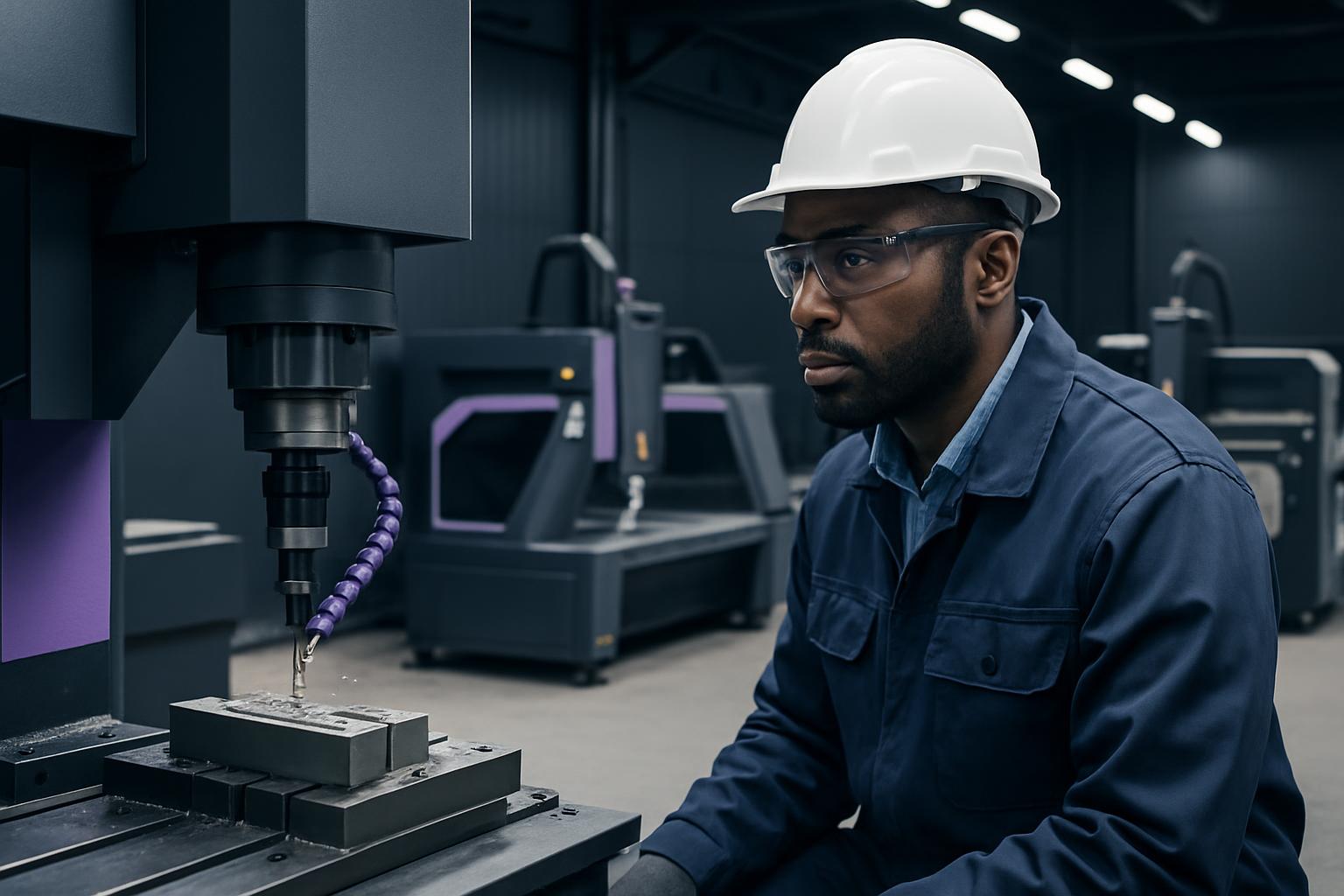
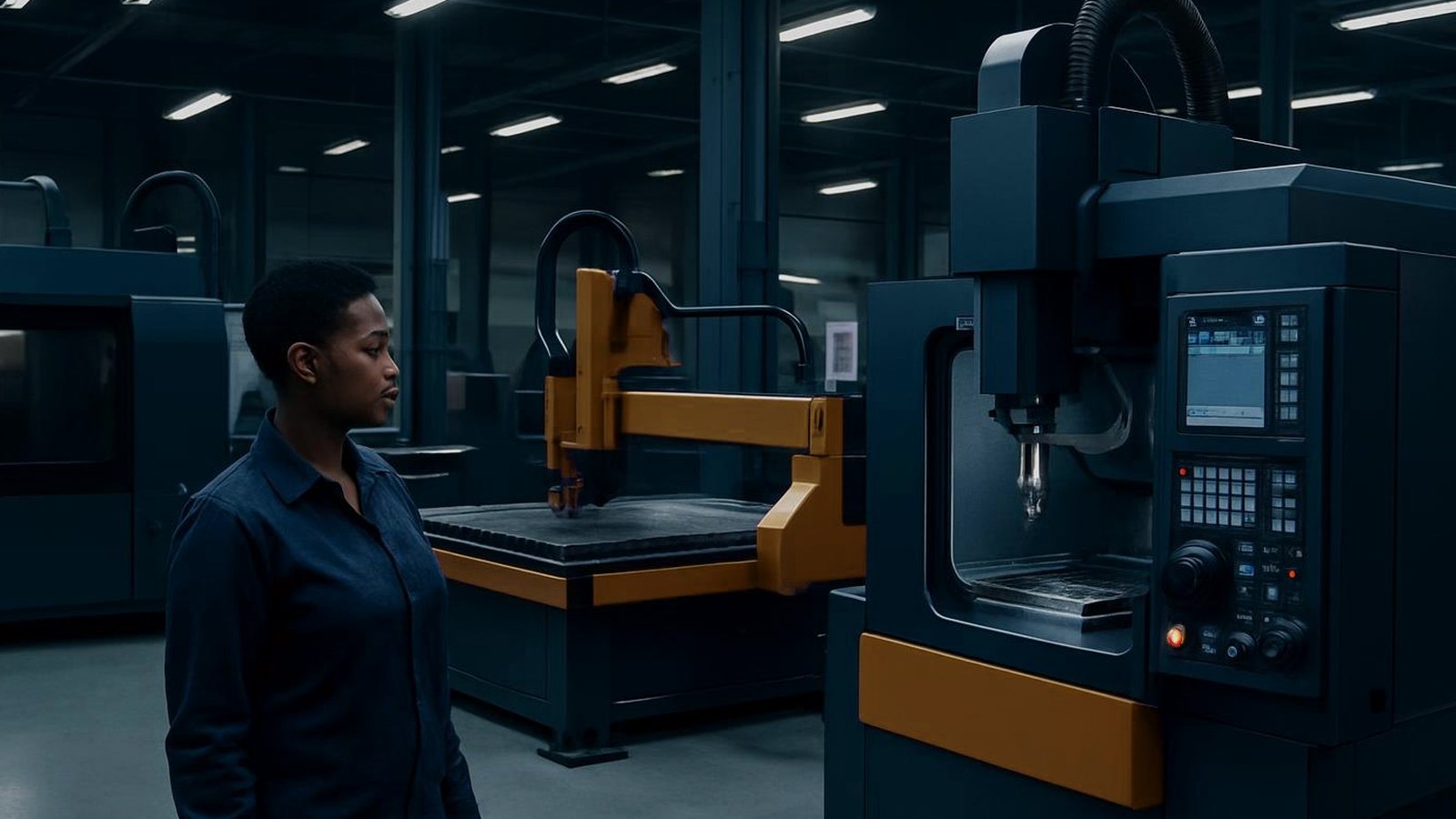
We planned a sequence using the Feature Plasma Compact for fast plate profiling, a Feature Press Brake Mini for bending, and a Feature Lathe Compact for round or turned details. This line-up fits in a standard shop bay and suits three to four operators moving parts in small batches.
Key was placing the plasma table near a wall outlet for clean dry air and easy dust extraction with a Feature Dust Cell. The brake and lathe went on either side, with marked floor lanes for moving trolleys and cut bins. Each station had its own shadow board from our Feature Tool Crib range to keep hand tools and gauges in reach.
After a fortnight, the difference showed: jobs moved faster, with less waiting for tools or machine time. Short runs of brackets and mounting plates could be cut, bent and drilled in hours, not days. Operators found it easier to cross-check drawings and hand over parts cleanly using a clamp tray or labelled crate.
Missed cuts and scrapped bends dropped because staff could check fit and job cards at each stage. By keeping air and dust capture close to the process, cleanup was faster and the shop floor stayed clearer, improving safety. The team had fewer overtime hours as the workflow evened out over a week.
Any South African shop with mixed fabrication jobs, whether in Germiston, Gqeberha or Durban, can gain from a flexible bay setup and clear handoffs. Keeping each machine close but not crowded, with dust extraction at source, helps meet OHS and dust regulations while saving time.
Small-batch work does not need fancy automation. A thoughtful sequence with good tooling, clear floor paths and trained operators cuts lost time and keeps quality up. For shops where every job is different, this approach pays for itself in quicker turnarounds and fewer mistakes.
Verified Google reviews